
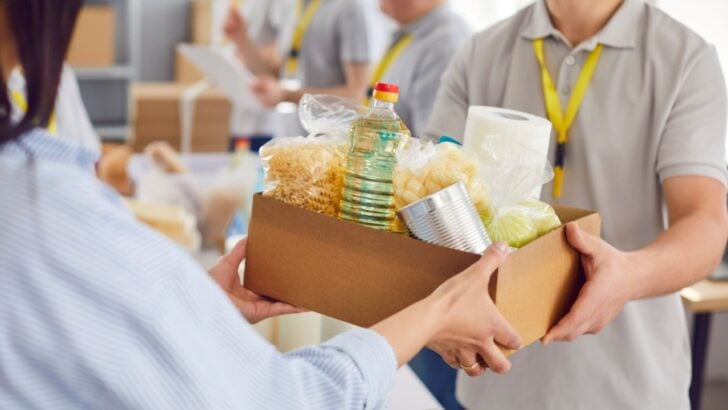
When you feel that generous spark to help those in need, it’s natural to head to your pantry or the grocery store and pack up a box for your local food bank. But not every food item (no matter how well-intentioned) makes it to a hungry family’s table. Food pantries sort through thousands of donations, and some common items sadly end up in the trash, wasting both resources and volunteer time.
To separate the meaningful from the unhelpful, this guide draws on recommendations from trusted sources, which have gathered insights from food bank networks and pantry volunteers nationwide. The goal? To make sure your gift truly nourishes someone who needs it, while supporting the logistical needs of distribution centers and nonprofits.
Below are 10 items food banks really don’t want, and better alternatives that make your donation count. Each section explains why an item isn’t accepted, what you can bring instead, and a few practical tips for ensuring your contribution makes a real difference.
1. Opened Food Containers

Image Credit: Shutterstock.
Even if a bag of granola or a box of pasta looks nearly full, anything that’s been opened cannot be accepted for safety reasons. Once packaging is unsealed, the food could be contaminated or compromised, and food banks can’t take that risk. Volunteers are bound by health regulations to dispose of anything that was previously opened, even if it seems fine.
Instead, bring newly sealed, unopened pantry staples. Think whole-grain pasta, rice, or canned vegetables. Check the seals carefully before donating, and if you’re decluttering your pantry, set aside opened goods for compost or local “Buy Nothing” groups rather than donation bins.
2. Expired Food
Image Credit: Shutterstock.
Expired or long-forgotten pantry goods are one of the biggest culprits of waste for pantries. While some “best by” dates don’t mean the food is unsafe, many donations arrive years past their prime, often so old they’ve discolored or lost nutrition entirely. When volunteers find dented cans or bulging containers, they must discard them immediately for health and liability reasons.
To help food banks focus on feeding, donate only what you’d still eat yourself. Check expiration dates before bagging your items, and try to buy fresh shelf-stable options specifically for donation, like canned beans, peanut butter, or low-sodium soups.
3. Food in Damaged Packaging

Image Credit: Shutterstock.
A dented can or torn cereal box may look minor, but packaging protects what’s inside. Dents, especially along the seams, can break airtight seals and cause bacteria to grow. Cans or boxes compromised by moisture, rust, or holes usually get tossed out immediately.
When choosing what to donate, look for items that are sturdy and intact. Pop-top lids and plastic containers are safer and easier for food banks to handle, especially for people without reliable kitchen tools.
4. Glass Jars

Image Credit: Shutterstock.
Glass jars may keep your tomato sauce safe at home, but they’re fragile in bulk shipments. When one breaks, its shards and sauce can ruin dozens of other donations. Food banks often transport thousands of pounds of food weekly, so break-resistant packaging is key.
To make your donation more practical, stick to plastic jars and metal cans when possible. If you must donate glass (say, unopened baby food jars), check with your local bank first to see if they have a special intake for fragile goods.
5. Candy and Sugary Snacks
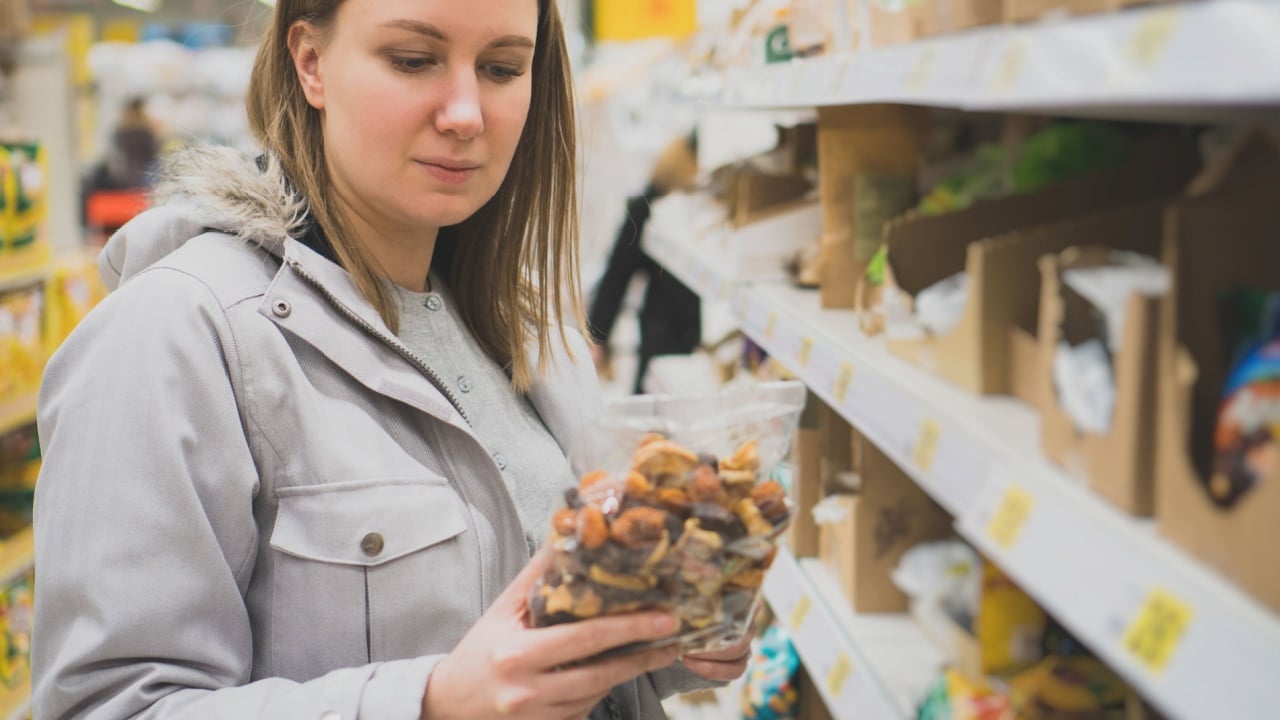
Image Credit: Shutterstock.
Though treats feel thoughtful, not every food bank distributes candy or soda. Many strive to provide balanced, nutritious options that help stretch limited budgets, so high-sugar snacks often go unused. Some facilities have adopted “healthy pantry” policies, limiting sweets entirely.
Instead, choose nutrient-dense snacks such as dried fruit, nuts, granola bars, or whole-grain crackers. These can satisfy cravings while offering lasting energy and nutrition to families facing food insecurity.
6. Perishable or Refrigerated Foods
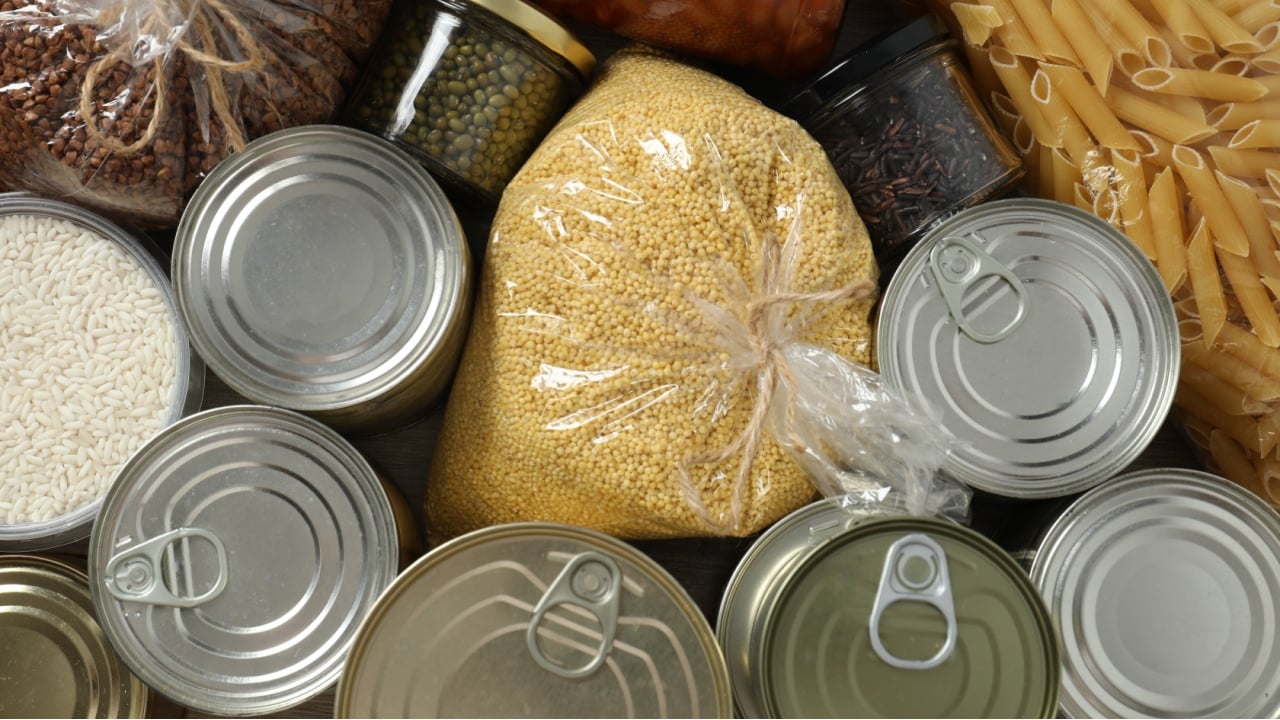
Image Credit: Shutterstock.
Most food banks don’t have the infrastructure for perishables like dairy, meat, or fresh produce; these items spoil before distribution is complete. Unless your food bank explicitly has cold storage and scheduled intake for fresh produce (some do!), perishable donations often can’t be used.
Your best bet is donating shelf-stable proteins like canned tuna, chicken, or beans. If you want to provide fresh produce, consider dropping it directly at community fridges, meal programs, or farms that partner with food charities.
7. Fresh Produce from Your Garden
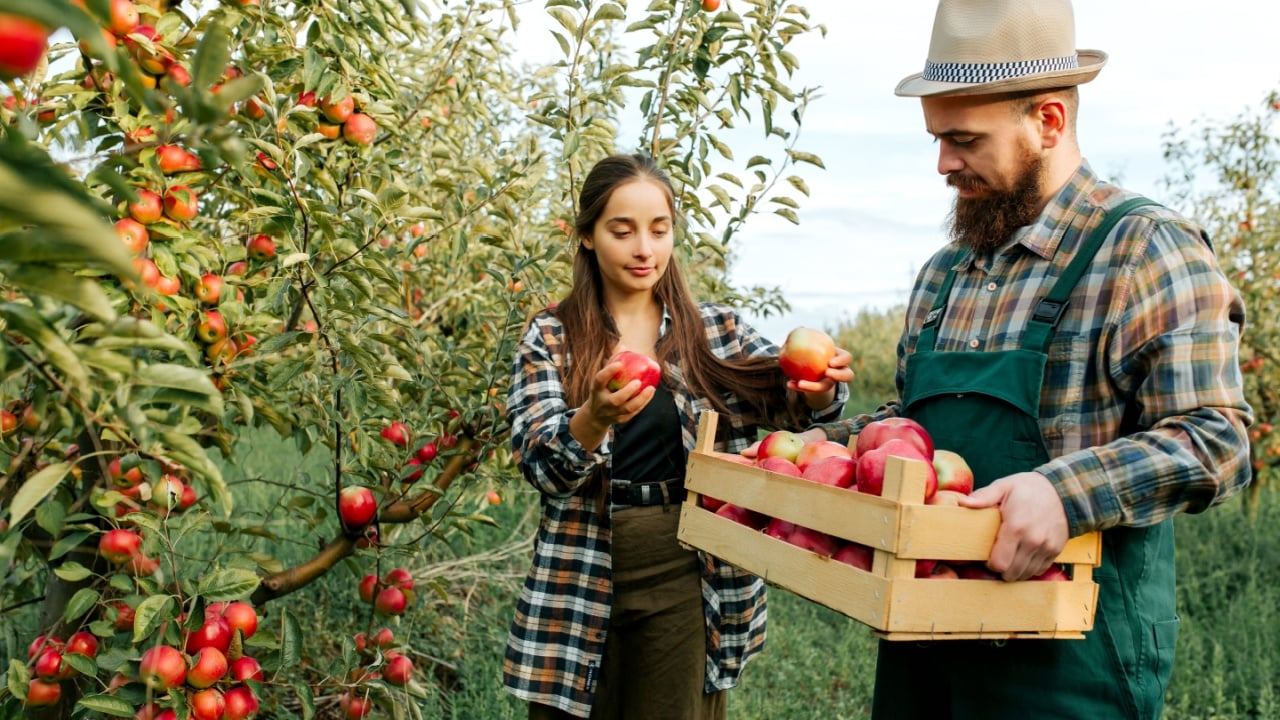
Image Credit: Shutterstock.
Even homegrown generosity has limits. While some regional pantries coordinate with farmers and gardeners for fresh items, most can’t safely handle unsorted or unverified produce. Without proper refrigeration and inspection, those apples or potatoes may rot before reaching a home.
If you grow food, connect with a “gleaning” program or ask your food bank about produce partnerships. Many organizations now run seasonal initiatives that safely redistribute fresh crops directly from growers to families within days.
8. Baby Food or Formula Past Its Date

Image Credit: Shutterstock.
Just like other foods mentioned earlier, expired baby formula or jars of baby food must be discarded immediately. These products are especially sensitive and regulated for infant safety. Even if a formula is just a few days past its printed date, food pantries cannot distribute it.
Purchase unopened, in-date formula or infant cereal if you wish to help families with young children. You might also consider donating diapers, wipes, or gift cards for baby supplies, items most pantries are happy to accept.
9. Dietary Supplements or “Health Products.”

Image Credit: Deposit Photos.
Vitamins, powders, or herbal supplements often arrive during donation drives, but food banks almost never distribute them. They’re considered over-the-counter health products, not food, and pose potential risks for people with allergies or medical conditions.
A smarter choice is fortified foods, such as whole-grain cereals, canned vegetables, or protein-rich soups that supply essential nutrients within safe guidelines. Always prioritize nourishing pantry basics over anything medicinal.
10. Home-Cooked or Homemade Foods
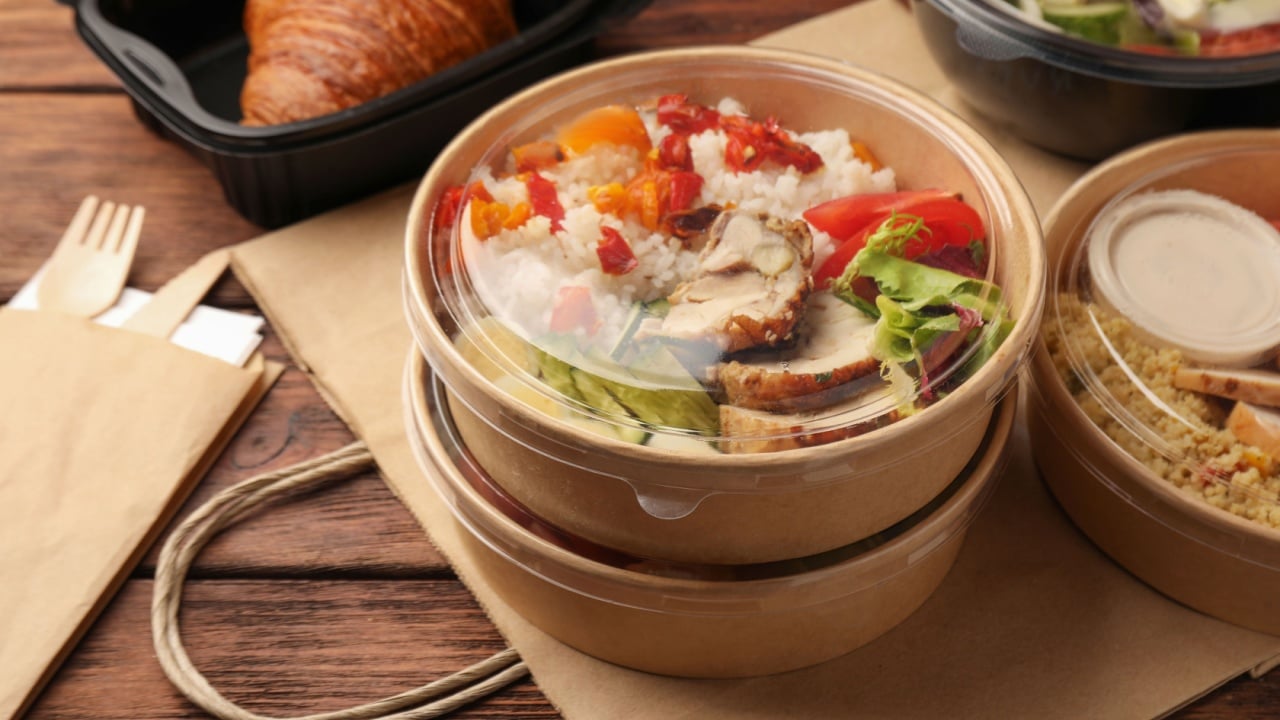
Image Credit: Shutterstock.
That extra lasagna or mason jar soup mix was made with love, but can’t be given out legally. Food banks have no way to verify ingredients, allergens, or preparation conditions, so all homemade foods are declined for safety.
Channel that care into store-bought, sealed meal kits or pantry staples instead. Some community centers run special events where home cooks can participate under food safety guidance. Check if your area offers this, and volunteer your time or skills instead of your leftovers.
Giving Smart, Not Just Generously
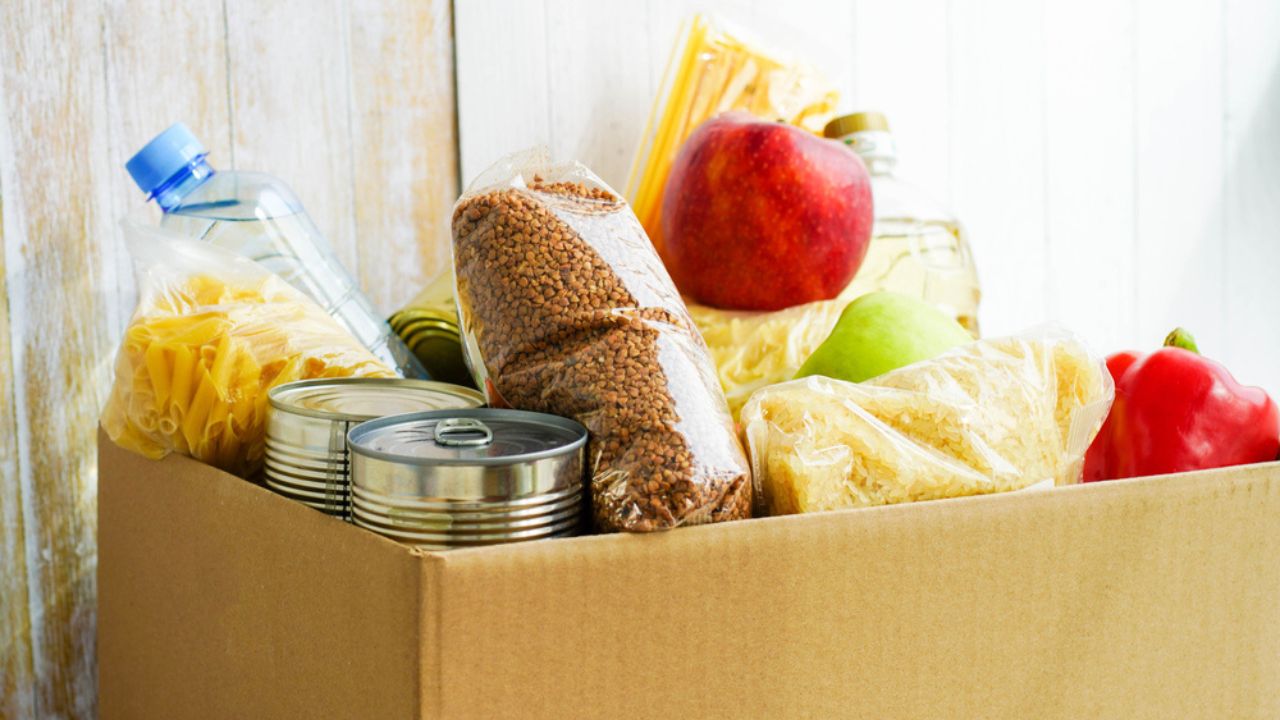
Image Credit: Shutterstock.
True generosity is thoughtful, not impulsive. Before filling your donation bag, take a few minutes to review your local food bank’s website or call them directly; they’ll often post “most wanted” lists updated each month. Fresh cash donations are also vitally important; every dollar stretches further when food banks buy in bulk.
When we give intentionally, choosing safe, nutritious, and shelf-stable foods, we honor the people we’re hoping to help and make volunteers’ jobs easier. Food insecurity is a community issue, but so is the solution.
Read More: