
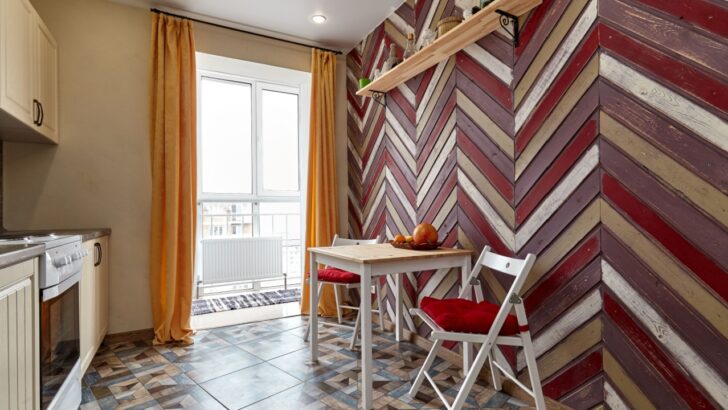
Walk into a home, and you can tell, within seconds, roughly when it was last decorated. A certain ceiling texture here, a color combination there, and suddenly the whole room is wearing a timestamp like a neon sign. Some homes age like fine wine. Others age like a 1994 Olan Mills portrait.
Interior design moves fast. What earned a spread in a glossy magazine one decade gets quietly removed during renovations the next. This list draws from widely documented design trends that real estate agents, interior designers, and home stagers consistently flag as red flags, the details that quietly signal a space has not been touched since a very particular era.
Here are 15 home trends that are aging spaces across the country, along with what to do about each one.
1. Popcorn Ceilings
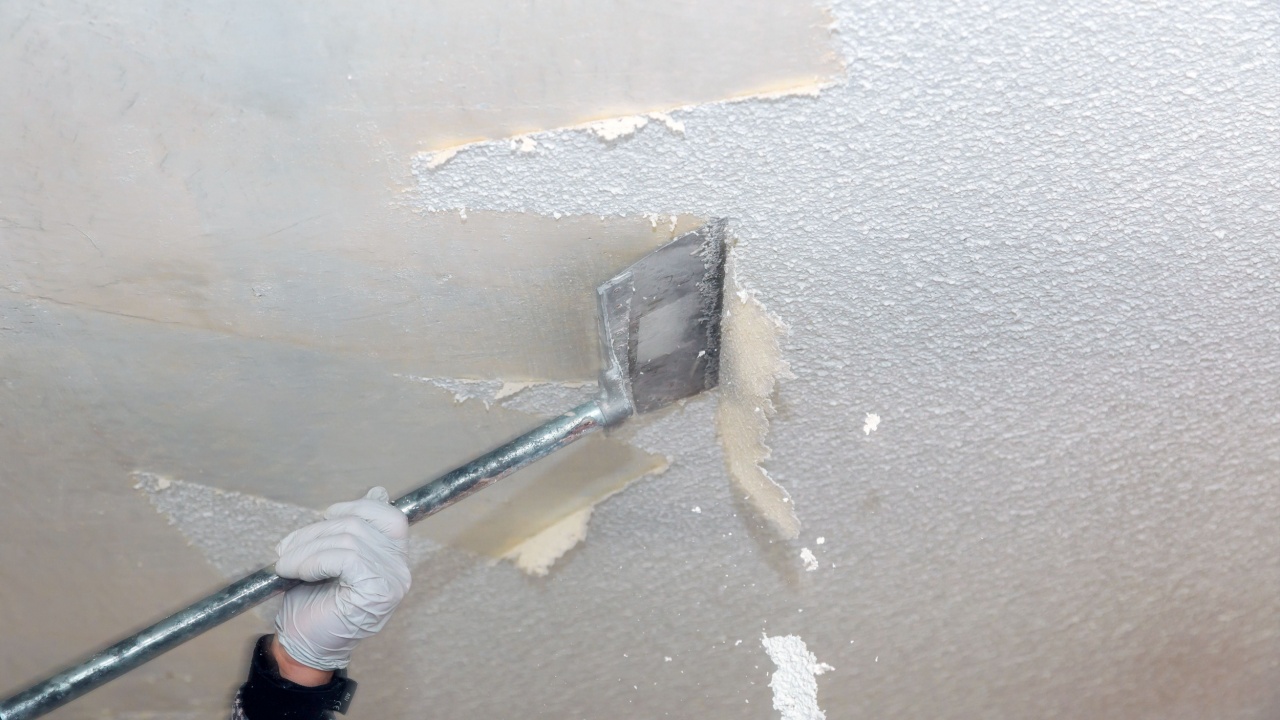
Image Credit: Shutterstock.
Popcorn ceilings arrived in the 1970s as a builder’s shortcut. The bumpy, spray-on texture hid imperfections quickly and cheaply, which made it wildly popular in tract housing and apartment construction for decades. Older versions are also known to contain asbestos, which adds an unwelcome layer of urgency to removal conversations.
Modern ceilings are smooth and clean, with a finish that reads as deliberate rather than accidental. Removing popcorn texture can be a messy weekend project or a straightforward job for a drywall professional; either way, the result makes rooms feel taller and far more current.
2. Tuscan Kitchen Decor
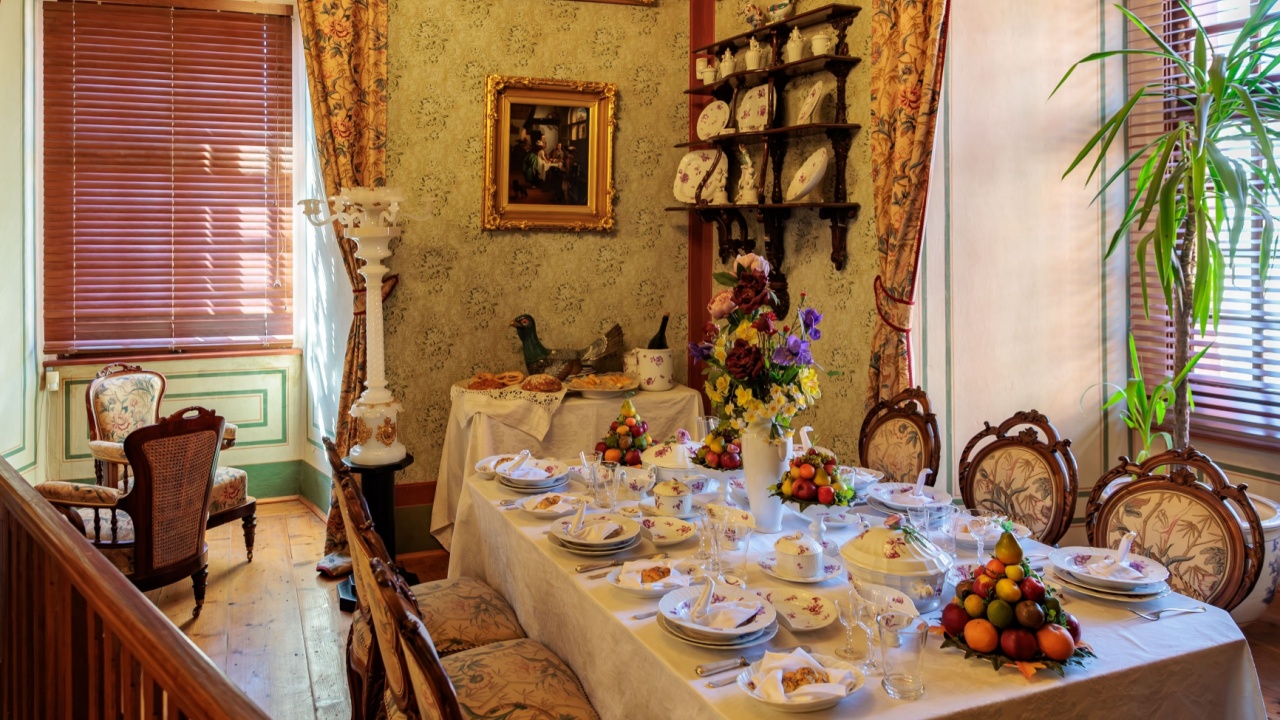
Image Credit: Gagarin Iurii at Shutterstock.
The early 2000s delivered a very specific fantasy to American homeowners: the Mediterranean villa, reproduced in suburban kitchens via wrought iron grape clusters, olive oil decanters, and terracotta-adjacent everything. This look spread through model homes and design magazines with remarkable speed before becoming the defining aesthetic of the McMansion era.
Current kitchen decor favors restraint. Subtle, functional pieces that complement the space have replaced theme-driven collections that overwhelm it. Swapping out motif-heavy accessories for simpler, neutral pieces is one of the fastest and most affordable ways to modernize a kitchen.
3. Oak Cabinets with Cathedral Doors
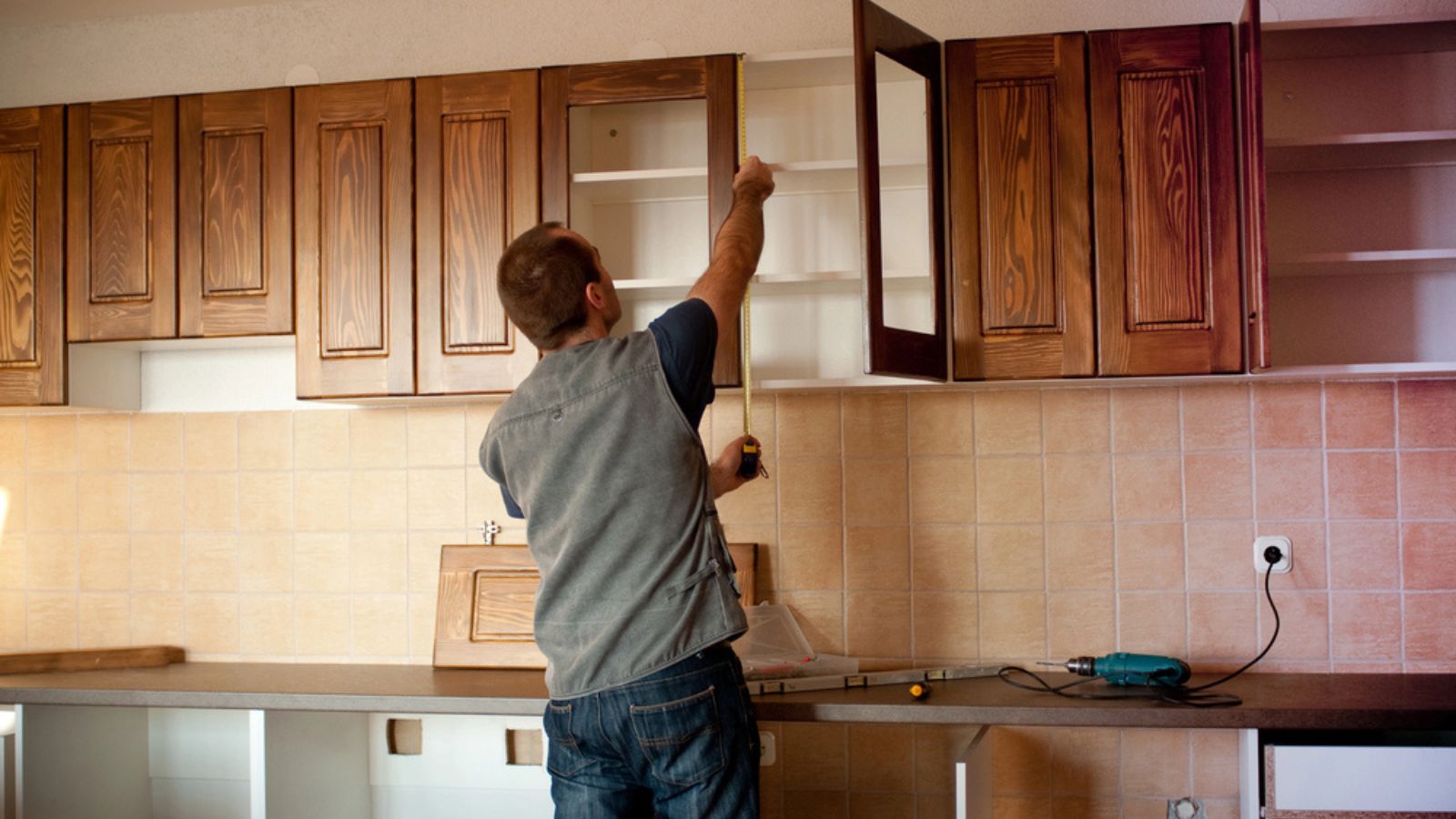
Image Credit: Deposit Photos.
Honey-colored oak cabinets with arched cathedral doors ruled kitchens throughout the 1980s and 90s. They were built to last, and many of them have, which means they are still standing in millions of homes, broadcasting their era to anyone who walks in.
Today’s kitchen cabinetry favors painted finishes in white, navy, or gray, with flat or simple shaker profiles that read as clean and intentional. Replacing cabinet doors or painting existing frames are popular approaches that stop short of a full gut renovation while delivering significant visual impact.
4. Wallpaper Borders
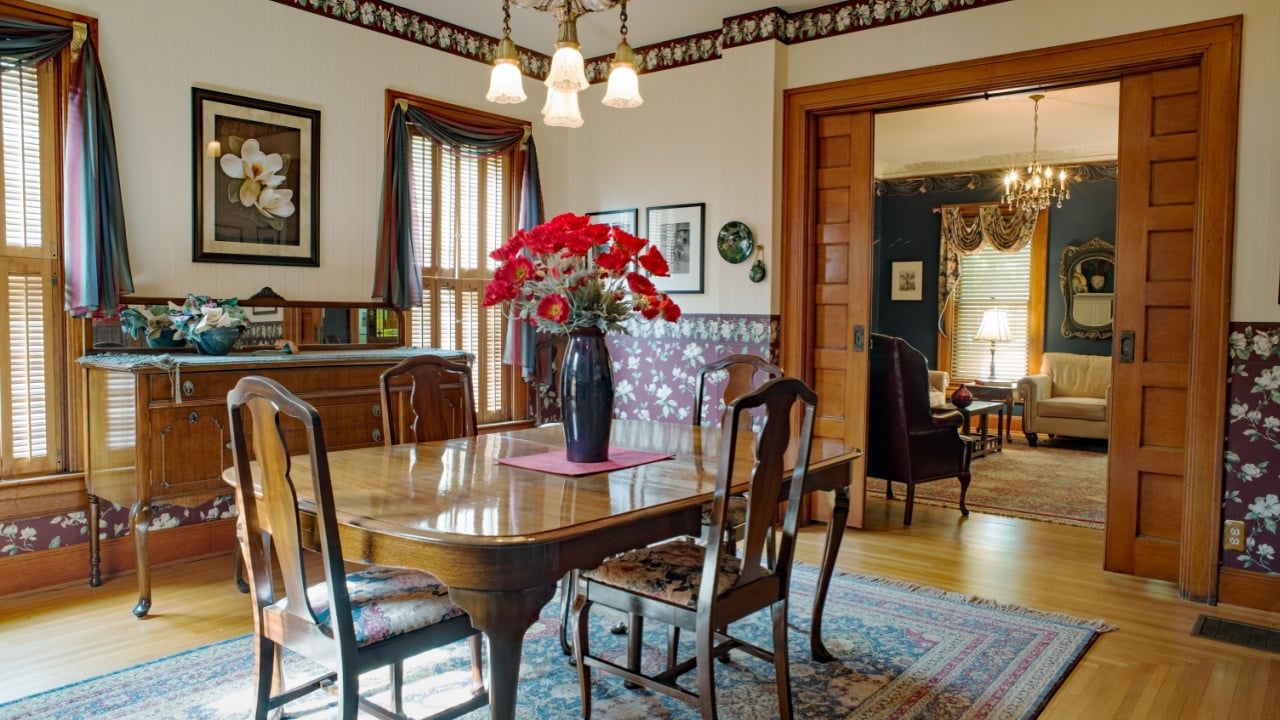
Image Credit: Susan Law Cain at Shutterstock.
Those narrow decorative strips running along the top of walls, usually featuring florals, country motifs, or nautical themes, were a staple of 80s and 90s decorating. They were meant to add a finishing touch to a room. Instead, they now read as a finishing touch from a very specific decade.
Full accent walls and large-format wallpaper have replaced the “ribbon around the room” approach. Removing borders is generally straightforward with the right scoring tool and remover solution, and even a fresh coat of paint on the upper wall section makes a noticeable difference.
5. Avocado Green and Harvest Gold Appliances
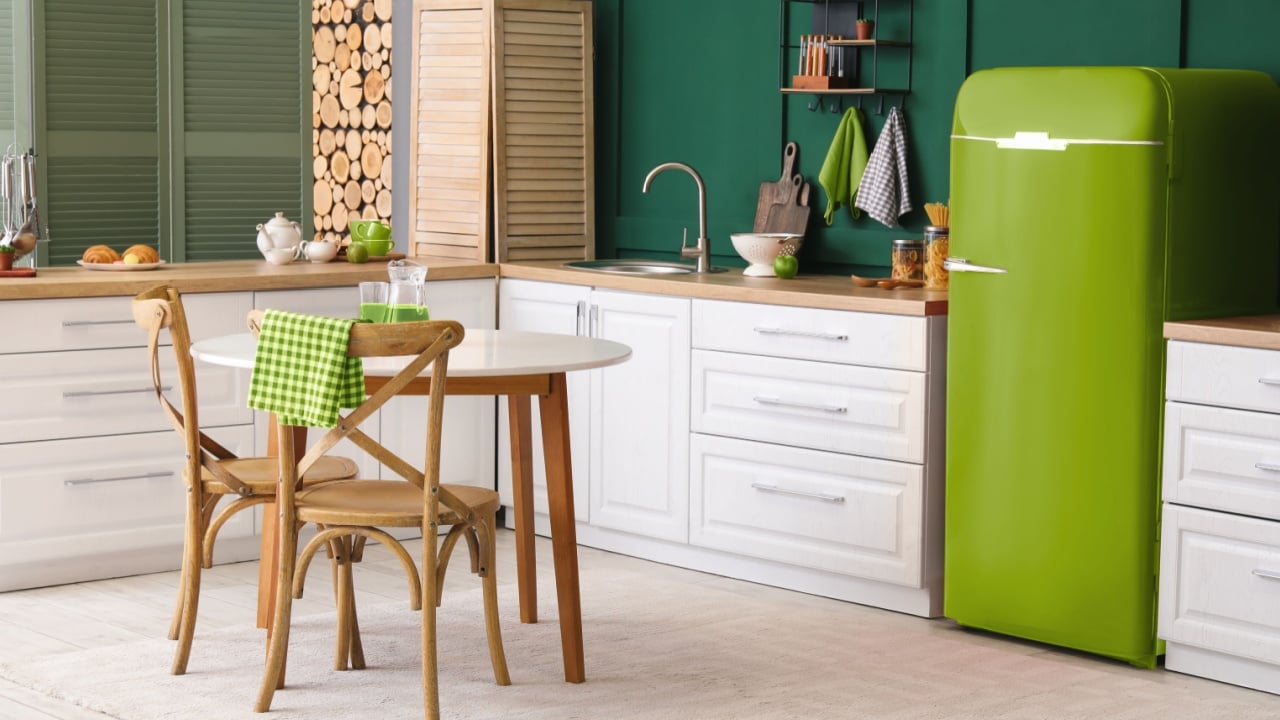
Image Credit: Shutterstock.
The 1970s really went all-in on kitchen colors. Avocado green fridges and harvest gold stoves were seen as a bold, stylish break from plain white, and they were everywhere for years.
These days, neutral appliance finishes are the standard. Stainless steel has been the top choice for decades, with black stainless or matte finishes as newer, more modern options. When those vintage-colored appliances are still around, they’re definitely the loudest thing in the room, just probably not in the way the original homeowners intended.
6. Shag Carpeting
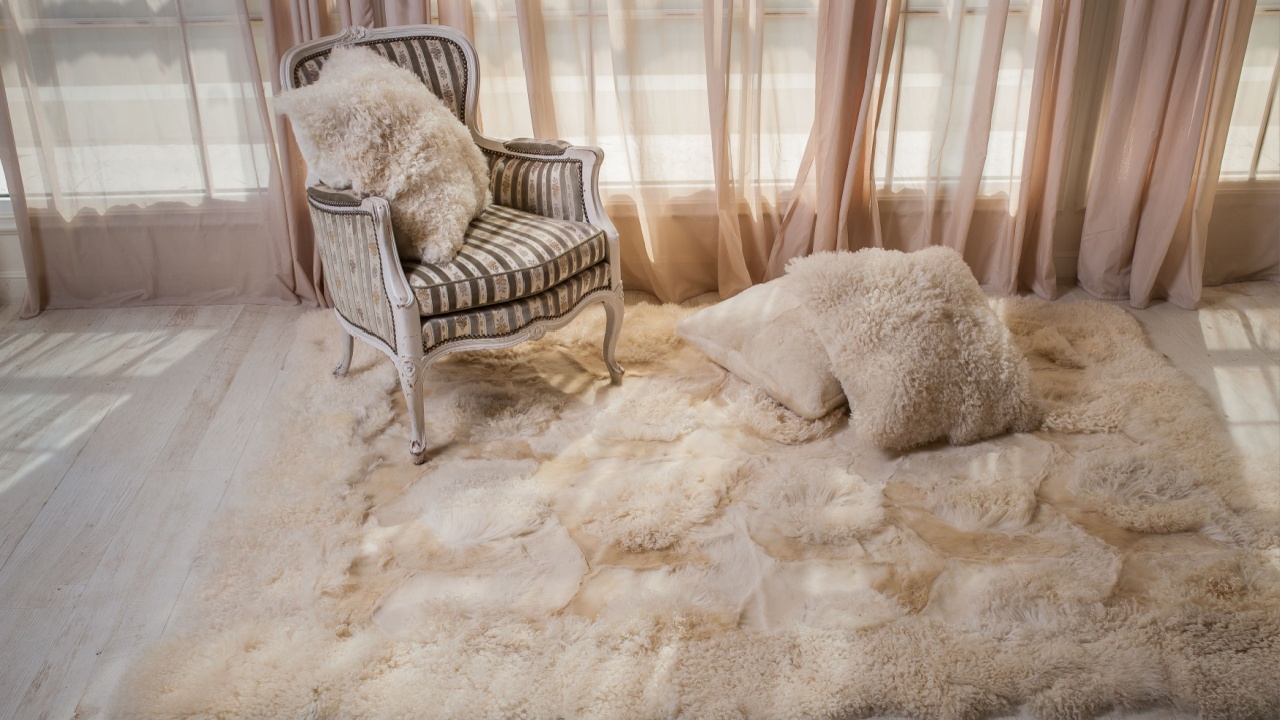
Image Credit: Shutterstock.
Deep-pile shag carpeting was a 1970s luxury that prioritized comfort over practicality. The thick, fluffy texture in colors like burnt orange and avocado green felt extravagant underfoot and collected everything else with equal enthusiasm, dust, pet dander, crumbs, and years of ambiance.
Hardwood, engineered wood, and low-pile carpet have taken over as the flooring choices that hold their visual appeal. Beyond aesthetics, the air quality argument alone is enough to make a compelling case for removal in most homes.
7. Vertical Blinds
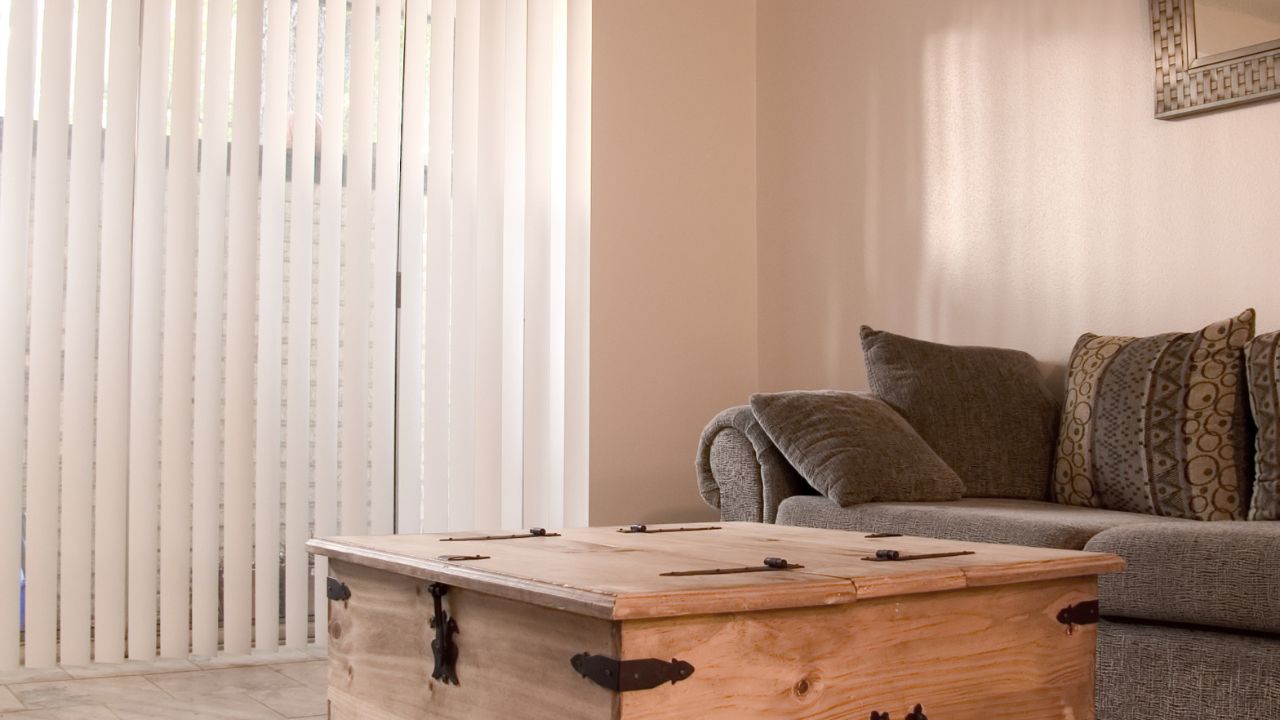
Image Credit: Shutterstock.
Remember those long plastic slats that clacked, tangled, and broke all the time? They were the go-to for sliding glass doors from the 70s through the early 2000s. In theory, they gave you privacy and light control, but in reality, they were mostly just frustrating.
Sliding panels, floor-length curtains, and modern cellular shades are much cleaner alternatives that work smoothly and don’t break if you look at them wrong. Swapping out vertical blinds is one of the cheapest updates you can make for a huge visual payoff.
8. Tiled Countertops with Visible Grout Lines
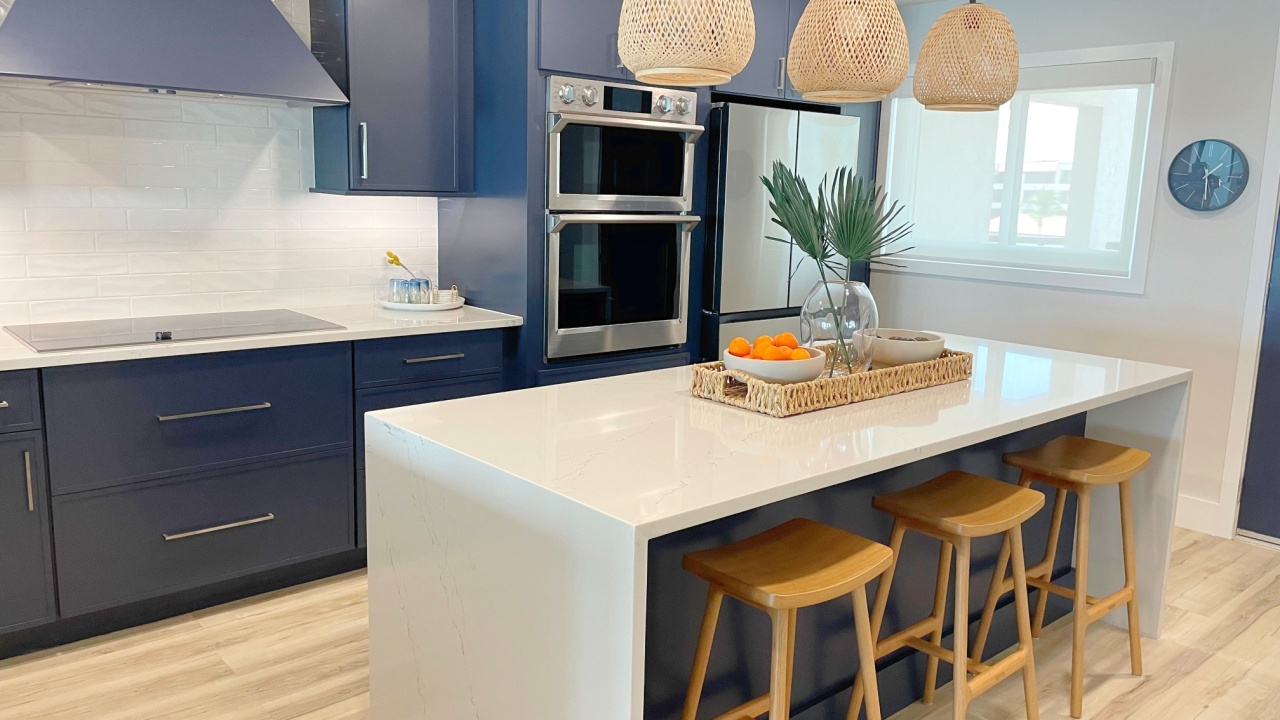
Image Credit: Shutterstock.
Small square tiles with thick grout lines were all the rage for kitchen and bathroom countertops in the 70s and 80s. While they were inexpensive and allowed for creativity, they also resulted in bumpy work surfaces and grout lines that seemed to trap every crumb, stain, and drop of oil.
Today, it’s all about seamless surfaces, such as quartz, solid surface, and large-format porcelain. These newer options are way easier to clean and look much sleeker. Putting a tiled countertop next to a modern slab really shows its age.
9. Hollywood Vanity Lights
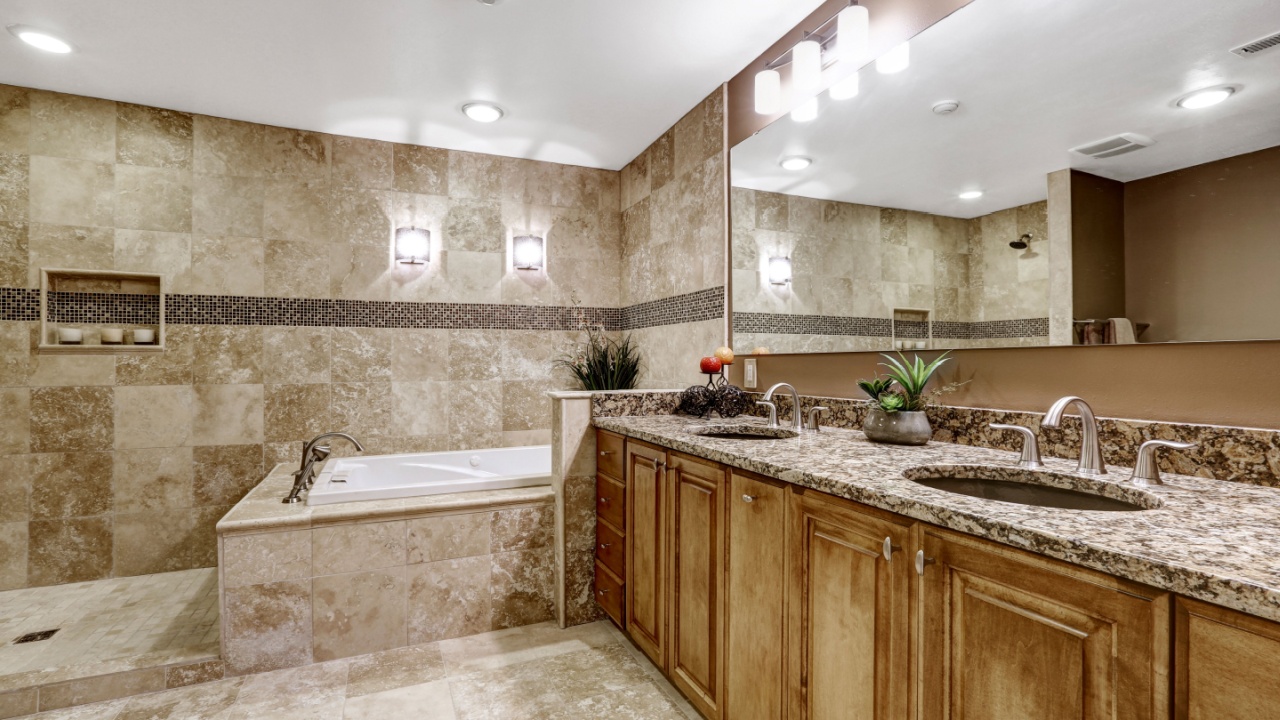
Image Credit: Shutterstock.
Rows of bare bulbs running across the top of bathroom mirrors had their peak moment in the 1980s and 90s, imported directly from theatrical makeup rooms. The effect was good, yes. Flattering and sophisticated, not quite.
Modern bathroom lighting relies on sconces positioned at face height or overhead fixtures that distribute light more evenly and with more warmth. The globe-strip light has largely been retired to period film sets and vintage motel renovations.
10. Wood Paneling on Interior Walls
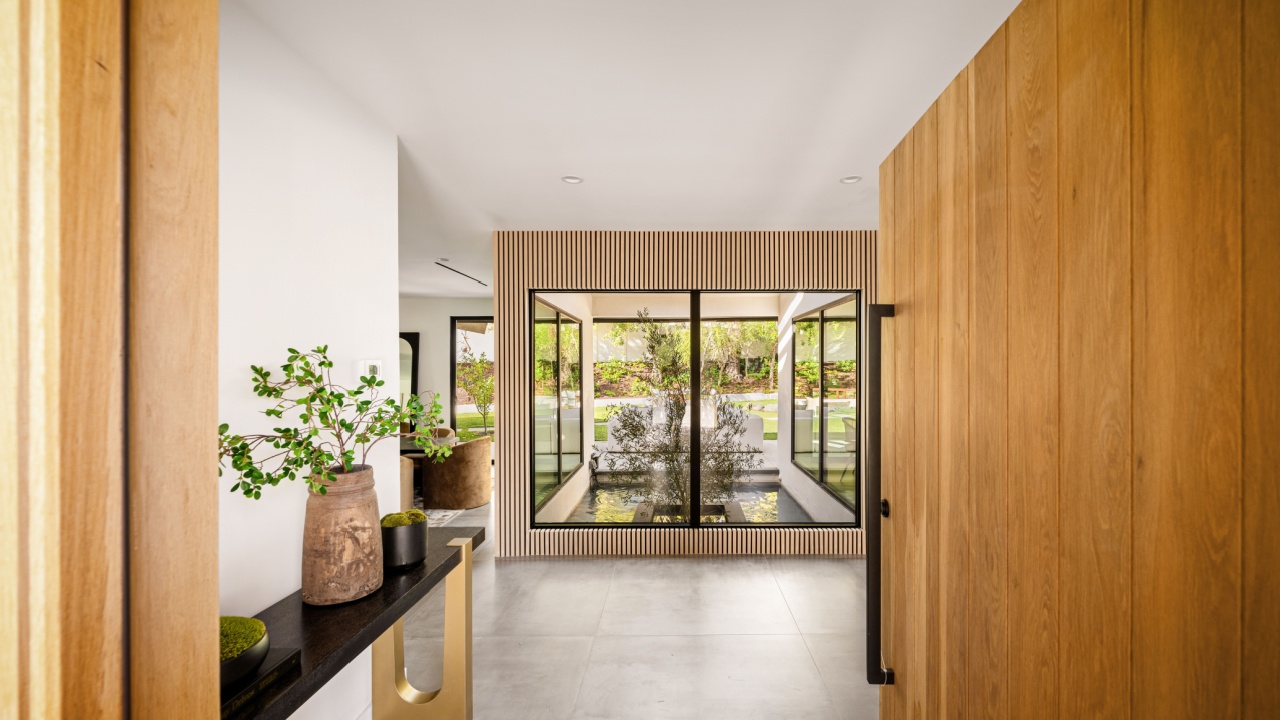
Image Credit: Shutterstock.
Remember that dark wood paneling that turned every basement and den into a dim, cave-like space? In the mid-20th century, these grooved sheets were sold as a low-maintenance option and installed with gusto in rec rooms and home offices everywhere.
These days, we’re all about light and openness, the opposite of what that dark, wall-to-wall paneling offered. When wood paneling is used now, it’s more of a deliberate accent, think a single shiplap wall, a partial feature, or a lighter, natural wood tone instead of a dark shell that swallows the whole room.
11. Sponge-Painted and Faux-Finished Walls
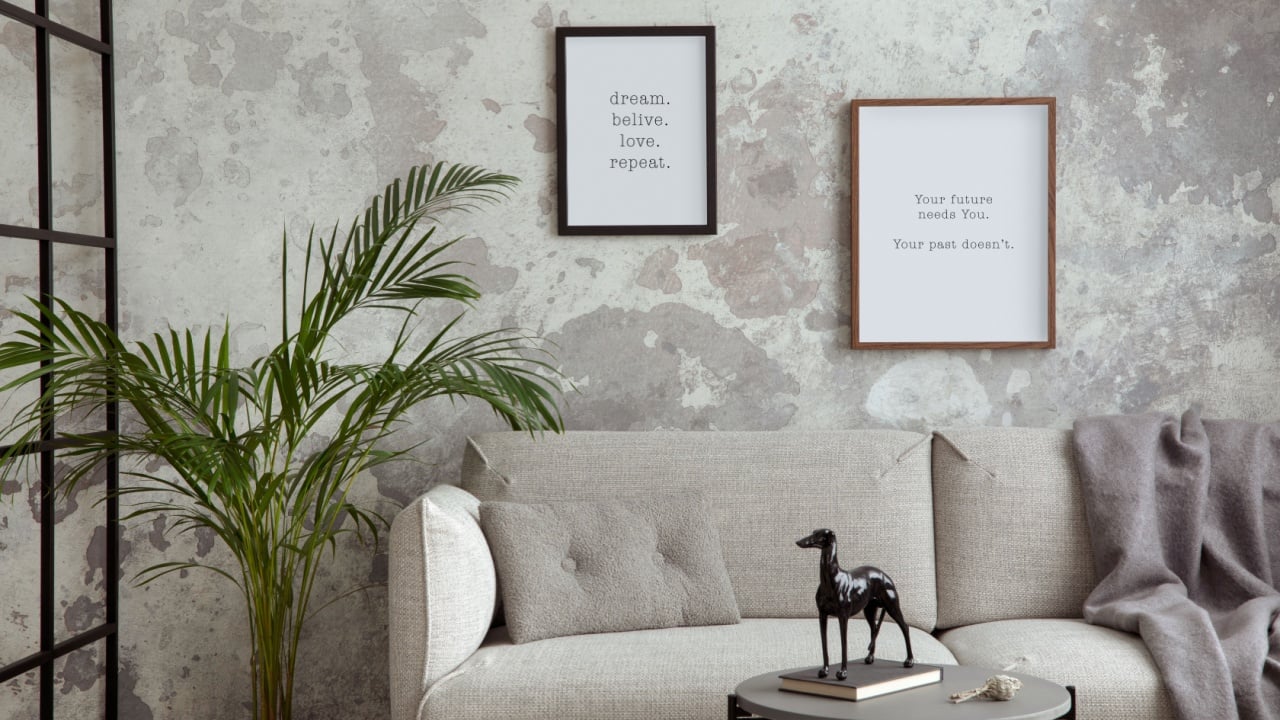
Image Credit: Shutterstock.
The 1990s were the golden era of DIY faux finishing. Armed with sea sponges, rags, and glazes, homeowners applied mottled, layered wall treatments designed to evoke Tuscan plaster, aged leather, or vaguely Mediterranean textures. The results ranged from convincing to confusing.
Clean, single-color walls and contemporary wallpaper have fully replaced these techniques. A flat or eggshell paint in a well-chosen color achieves what the sponge technique was reaching for, visual interest and personality, without the mottled effect that now reads as a time capsule from 1997.
12. Recessed Fluorescent Box Lighting
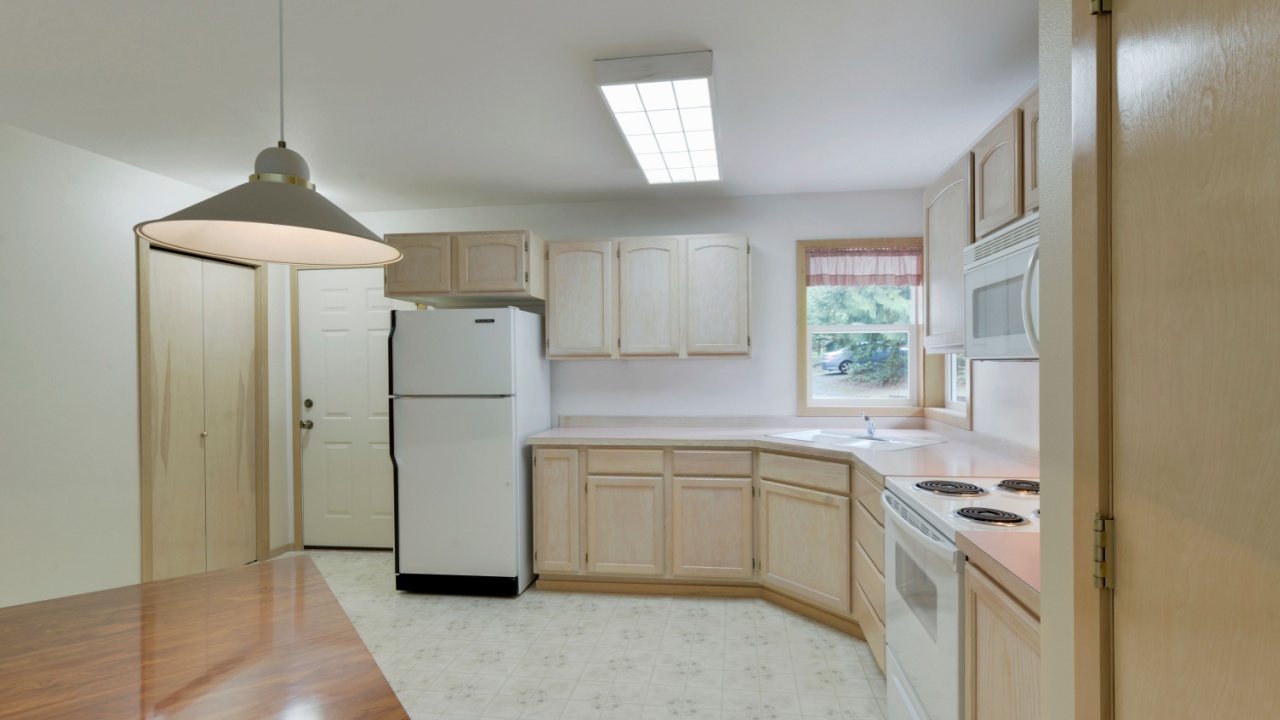
Image Credit: Jonathan Park at Shutterstock.
Remember those rectangular boxes recessed into kitchen ceilings? The ones often covered with plastic panels printed with fake clouds or other patterns? For years, they were the go-to lighting solution for kitchens. While they lit up the room, they also cast a flat, institutional glare that sucked the warmth out of everything.
Today, you’ll find recessed can lights, pendant fixtures, and other decorative lighting in almost every updated home. The difference in vibe between a kitchen lit by cool pendants versus one lit by a fluorescent box is huge; it can change how buyers feel about the entire house.
13. Hunter Green and Burgundy Color Schemes
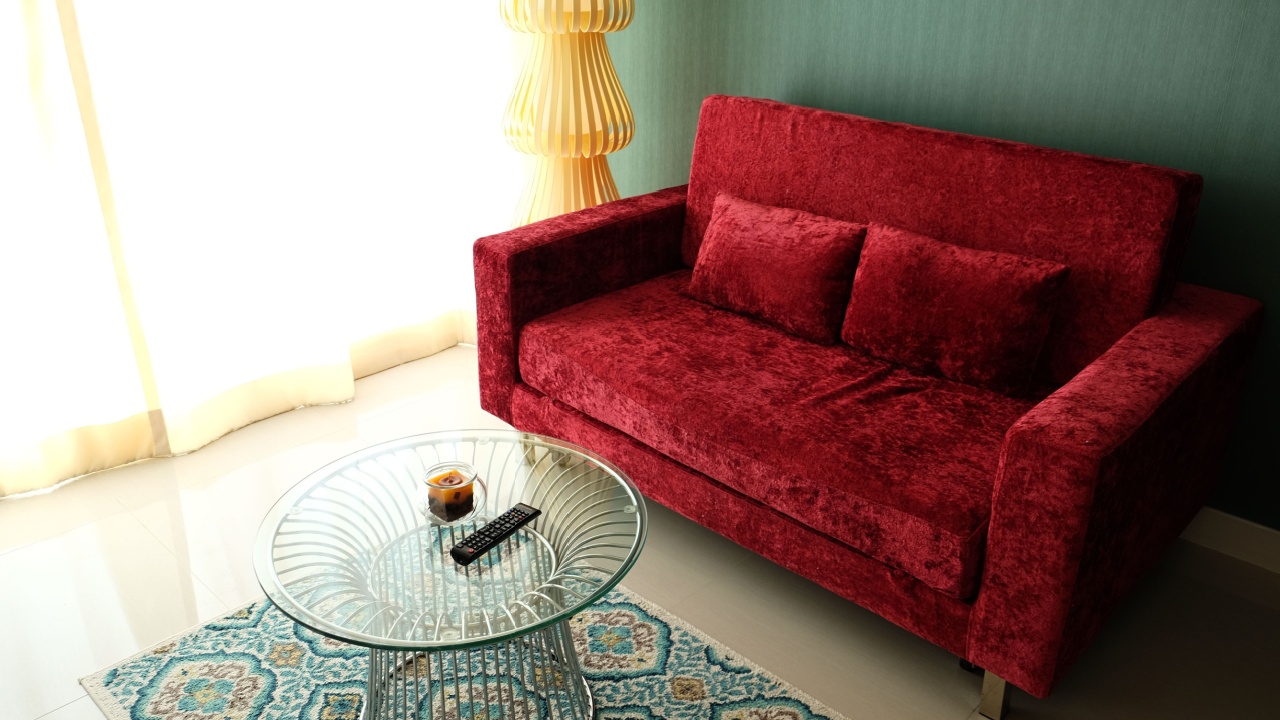
Image Credit: Shutterstock.
Deep hunter green and burgundy red were everywhere in the 1990s interiors. This combination appeared on walls, plaid sofas, throw pillows, and wallpaper borders, often accented with gold hardware and dark wood furniture. It read as rich and sophisticated at the time.
Current palettes have moved toward blues, warm whites, soft greens, and greige tones. The specific combination of hunter green and burgundy is so closely associated with a particular decade that its presence in a room functions almost like a date stamp.
14. Matching Furniture Sets Purchased as Complete Collections
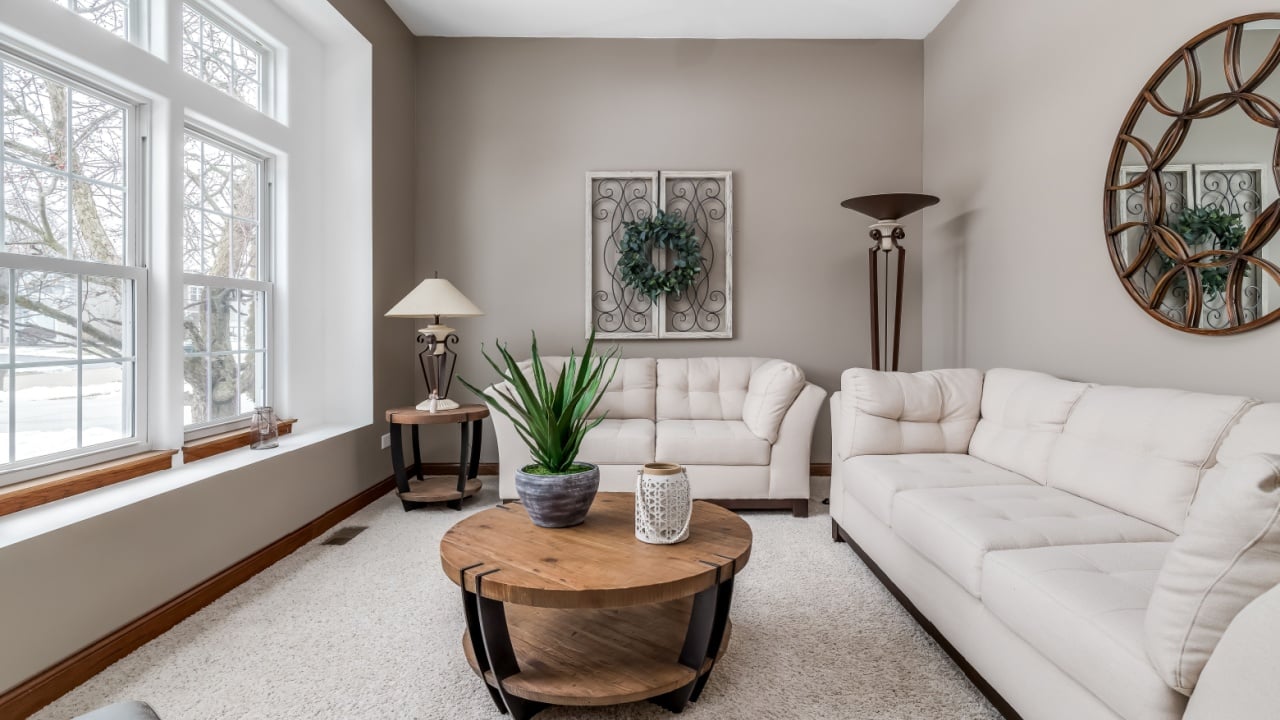
Image Credit: Joseph Hendrickson at Shutterstock.
Buying an entire living room or bedroom suite from a single furniture collection was standard practice through the 90s. Every piece matched perfectly, same finish, same fabric, same hardware, creating a coordinated look that felt polished and complete at the time.
Interior design now values collected, curated rooms that combine different pieces, materials, and eras for a more lived-in and personal result. A room full of perfectly matched furniture no longer reads as luxury; it reads as a showroom floor from two decades ago.
15. Chevron Patterns Everywhere
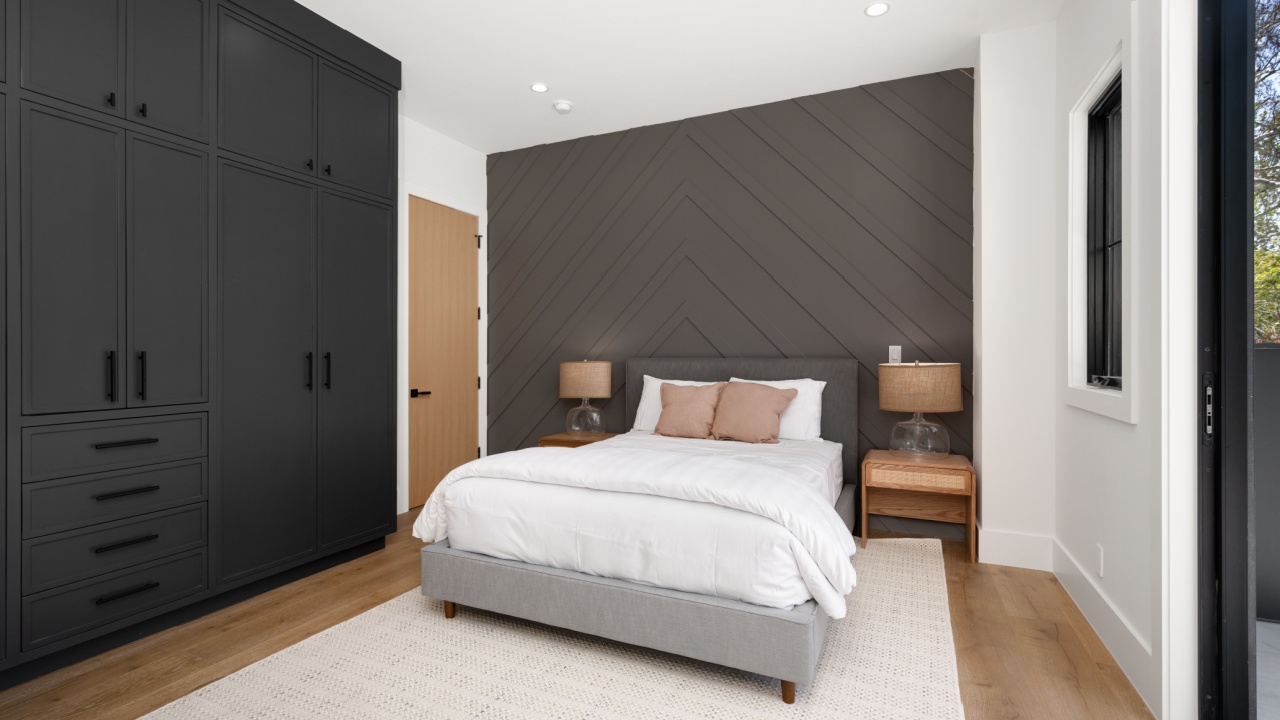
Image Credit: Shutterstock.
Sharp zigzag chevron patterns saturated interior design between roughly 2010 and 2015. Accent walls, rugs, bedding, shower curtains, and throw pillows all carried the same bold geometric print, and for a concentrated window of time, it was nearly impossible to decorate without encountering it.
The sharpness of chevron has given way to softer geometrics, organic shapes, and more textural approaches to pattern. Because the trend was so concentrated and so widespread, the distinctive zigzag now serves as a reliable marker of exactly when a room was last updated.
Don’t Despair: Easy Updates for Outdated Trends
Image Credit: Shutterstock.
Outdated trends share a common trait: they were genuinely popular and widely adopted, which is precisely what makes them so recognizable once their moment passes.
The good news is that many of these updates fall well within the reach of a modern refresh (if you’re ready for a change; otherwise carry on). Repainting, swapping fixtures, replacing window treatments, and rethinking a countertop all deliver returns that far exceed their costs, both in livability and in resale value. Addressing even two or three of these in a single room can shift its entire feel from dated to current.
Read More: