

Most people see their kitchen as a clean space for preparing meals. Yet, some common kitchen items and areas can harbor more bacteria than a toilet seat. Studies have shown that the average kitchen cutting board has about 200 percent more fecal bacteria than a toilet seat. These microorganisms are invisible, but they can pose a real risk to your health if left unchecked.
The kitchen environment, with its moisture, food particles, and varying temperatures, creates an ideal setting for bacteria like Salmonella, E. coli, and Listeria to multiply. These microbes can transfer from surfaces to food, a process known as cross-contamination, leading to foodborne illnesses. Understanding where these germs accumulate is the first step toward preventing their spread and protecting your family.
This article will identify 15 places in your kitchen where bacteria are actively breeding. Some of these spots are well-known culprits, while others may surprise you. For each one, we will explain why it becomes a problem and provide simple, actionable advice to keep it clean and safe.
1. Kitchen Sponges and Dishcloths
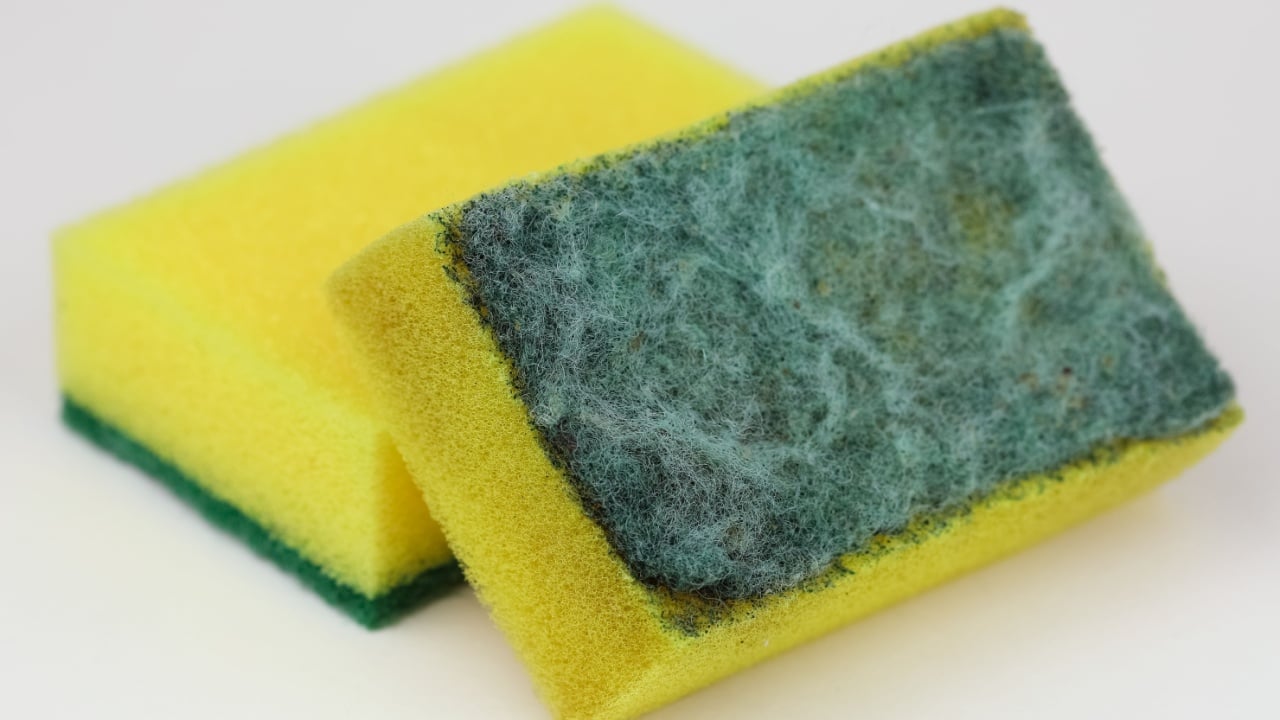
Image Credit: Shutterstock.
The porous nature of a kitchen sponge makes it a perfect home for bacteria. It holds onto moisture, food particles, and warmth, creating a fertile environment for germs to multiply rapidly. Every time you use a contaminated sponge to wipe a surface, you are simply spreading bacteria around your kitchen instead of cleaning it.
To manage this, you should replace your sponges frequently, ideally every one to two weeks. Between uses, sanitize the sponge by microwaving it while damp for one minute or running it through a full cycle in the dishwasher. For dishcloths, use a fresh one each day and launder them in hot water to kill any lingering germs.
2. The Kitchen Sink

Image Credit: Shutterstock.
Your kitchen sink handles everything from dirty dishes to raw meat juices, making it one of the most contaminated areas in your entire home. Food particles get trapped in the drain and along the basin’s sides, providing a constant food source for bacteria. Even if it looks clean, the sink’s surfaces can be teeming with harmful microbes.
Clean your sink daily with a disinfecting cleaner. After washing dishes, scrub the basin, faucet, and handles, and rinse thoroughly with hot water. Once a week, pour a solution of diluted bleach down the drain to sanitize it and eliminate odors. This habit prevents bacterial buildup and keeps your sink from becoming a source of cross-contamination.
3. Cutting Boards
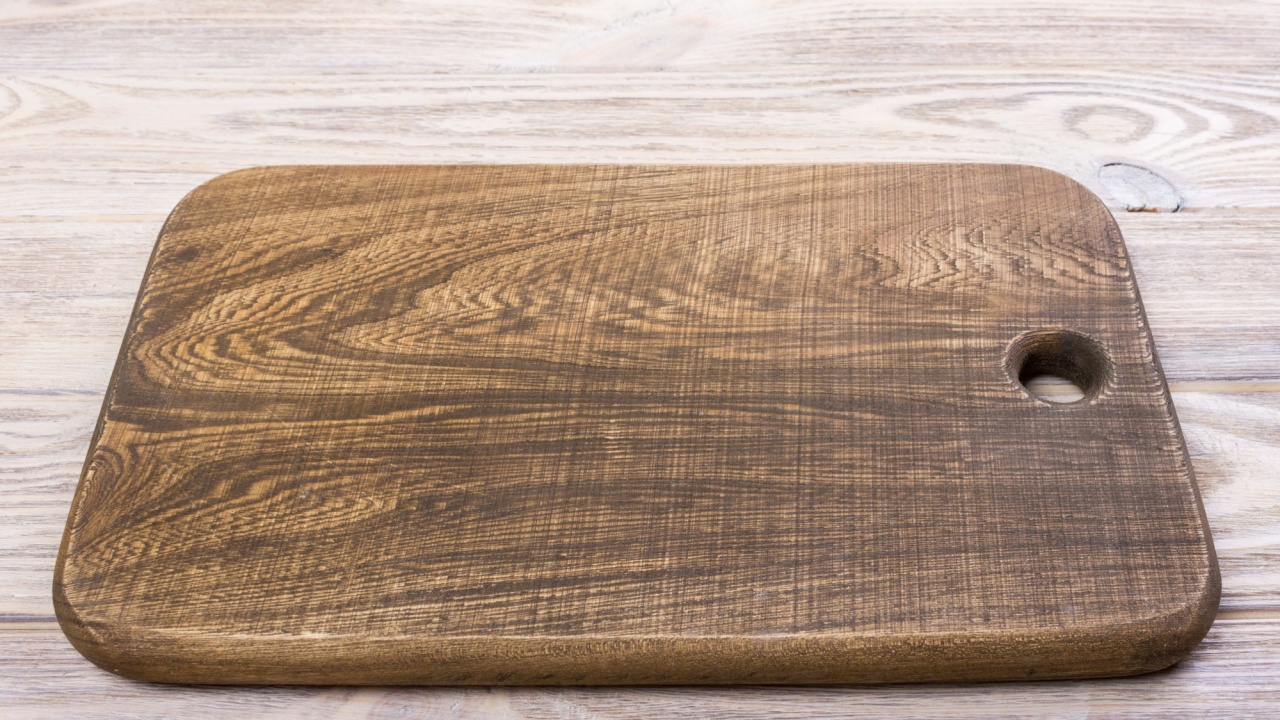
Image Credit: Shutterstock.
Both plastic and wooden cutting boards can become breeding grounds for bacteria. When you chop food, small grooves and knife cuts form on the board’s surface. These tiny crevices trap moisture and food particles, making them difficult to clean and perfect for bacterial growth, especially after preparing raw meat.
Use separate cutting boards for different food types: one for raw meat, poultry, and fish, and another for produce and ready-to-eat foods. After each use, wash boards with hot, soapy water, or place them in the dishwasher if they are dishwasher-safe. Periodically sanitize them with a solution of one tablespoon of unscented chlorine bleach per gallon of water.
4. Appliance Handles
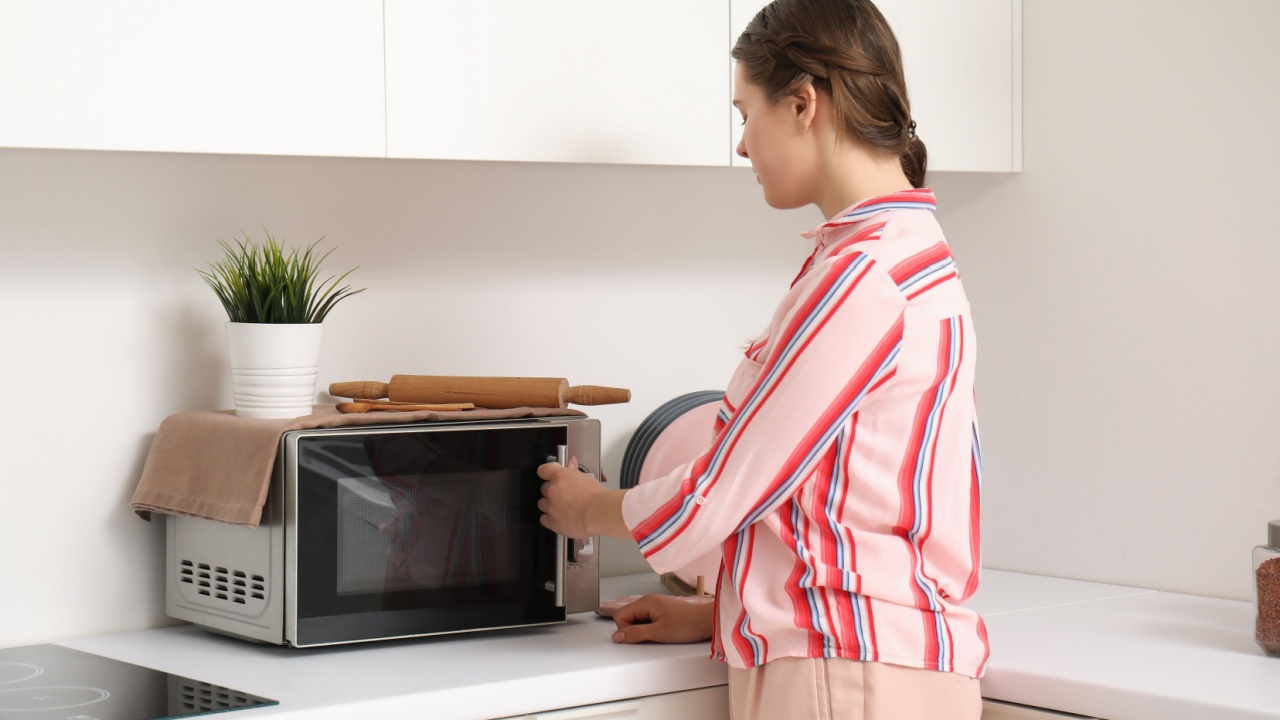
Image Credit: Shutterstock.
The handles on your refrigerator, microwave, oven, and dishwasher are touched multiple times a day by various family members. Hands that have handled raw food or other contaminants can easily transfer bacteria to these surfaces. Because they are not always included in routine cleaning, these handles become hotspots for germs.
Make it a habit to wipe down all appliance handles daily with a disinfecting wipe or a cloth sprayed with a disinfectant cleaner. This simple step takes only a minute but significantly reduces the transfer of germs throughout your kitchen and home. Pay extra attention during and after meal preparation.
5. The Garbage Disposal
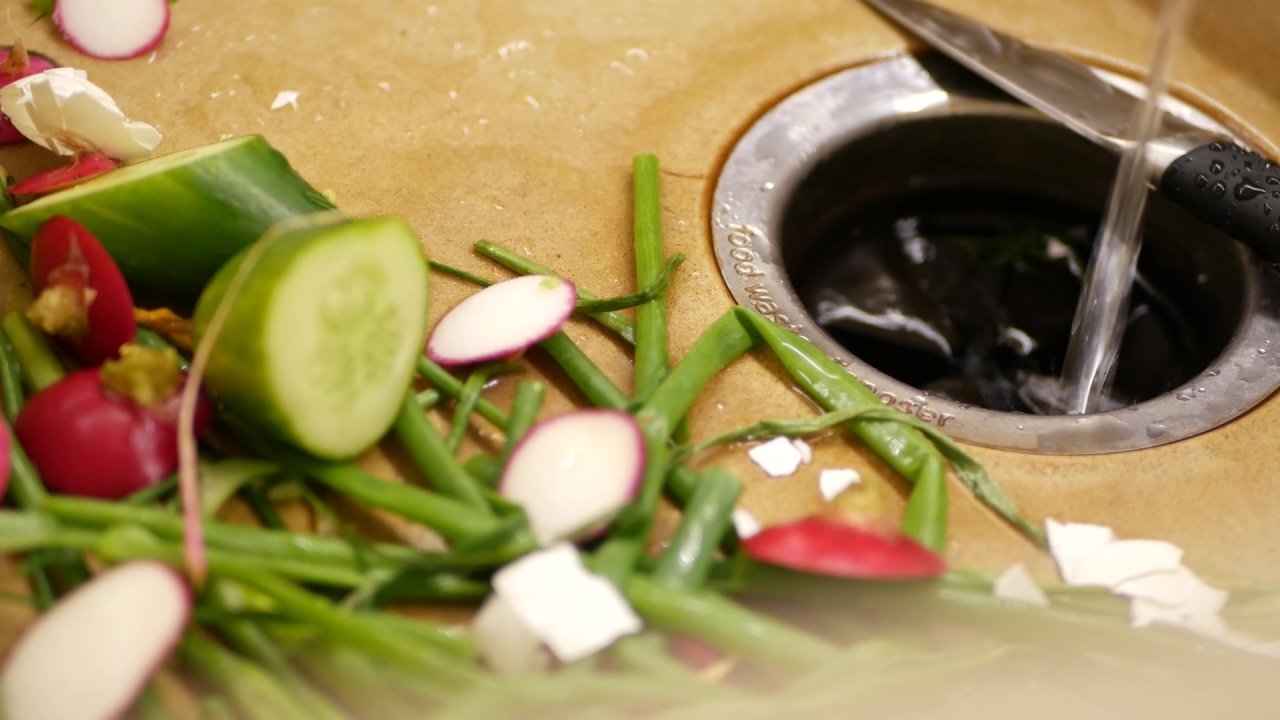
Image Credit: Shutterstock.
A garbage disposal grinds up food waste, but not all of it gets washed away. Small particles cling to the blades and the rubber splash guard, where they decompose and foster bacterial growth. This buildup is often responsible for unpleasant odors coming from your sink.
Clean your garbage disposal weekly. A simple method is to fill the disposal with ice cubes and a cup of rock salt, then run it with cold water. The ice and salt work together to scrub the blades and interior walls. To deodorize it, grind up citrus peels like lemon or orange while running cold water.
6. Spice Containers
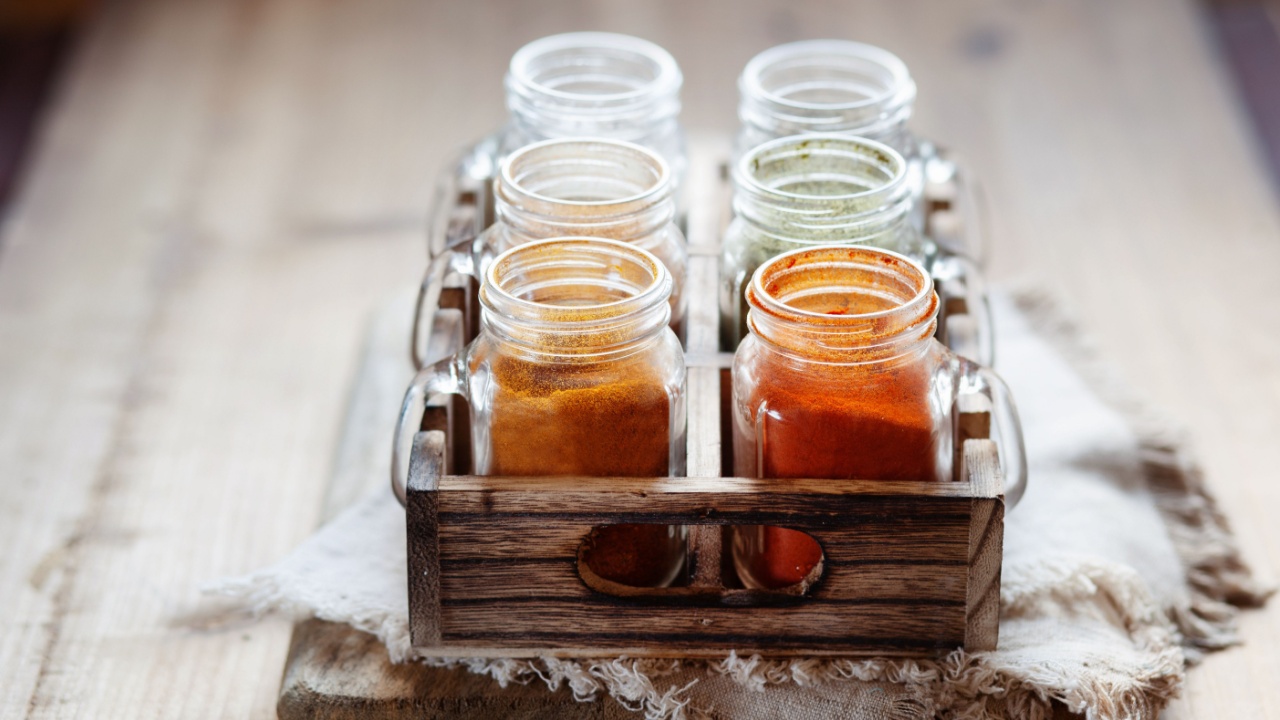
Image Credit: Shutterstock.
When you are cooking, you might reach for a spice container after handling raw meat or eggs. This action transfers bacteria from your hands onto the jars. Since spice containers are rarely cleaned, these germs can survive on the surface for days, waiting to be picked up again.
Get into the practice of washing your hands thoroughly before and after handling raw ingredients. If you do touch a spice jar with contaminated hands, wipe it down immediately with a disinfectant wipe. Periodically, take all your frequently used spice containers and wipe them down as part of your kitchen cleaning routine.
7. Kitchen Towels

Image Credit: Shutterstock.
Like sponges, cloth kitchen towels are highly absorbent and can retain moisture for long periods. They are often used to wipe up spills, dry hands, and handle hot pans, accumulating food residue and bacteria along the way. Using the same towel for multiple tasks increases the risk of spreading germs from one surface to another.
Assign different towels for different tasks, such as one for drying hands and another for drying dishes. Avoid using towels to wipe up spills from raw meat. Change out your kitchen towels every day, or more often if they become damp or soiled, and wash them in hot water.
8. Countertops

Image Credit: Shutterstock.
Countertops are where most food preparation happens, from unpacking groceries to chopping vegetables. They are also a common resting place for purses, mail, and keys, all of which can introduce outside bacteria into your food prep zone. Spills and crumbs left uncleaned promptly provide nourishment for germs.
Clean your countertops before and after every meal preparation, especially after they have come into contact with raw meat, poultry, or fish. Use hot, soapy water followed by a rinse. For extra protection, use a disinfectant spray that is safe for your countertop material, letting it sit for the recommended time to kill germs effectively.
9. The Vegetable Peeler
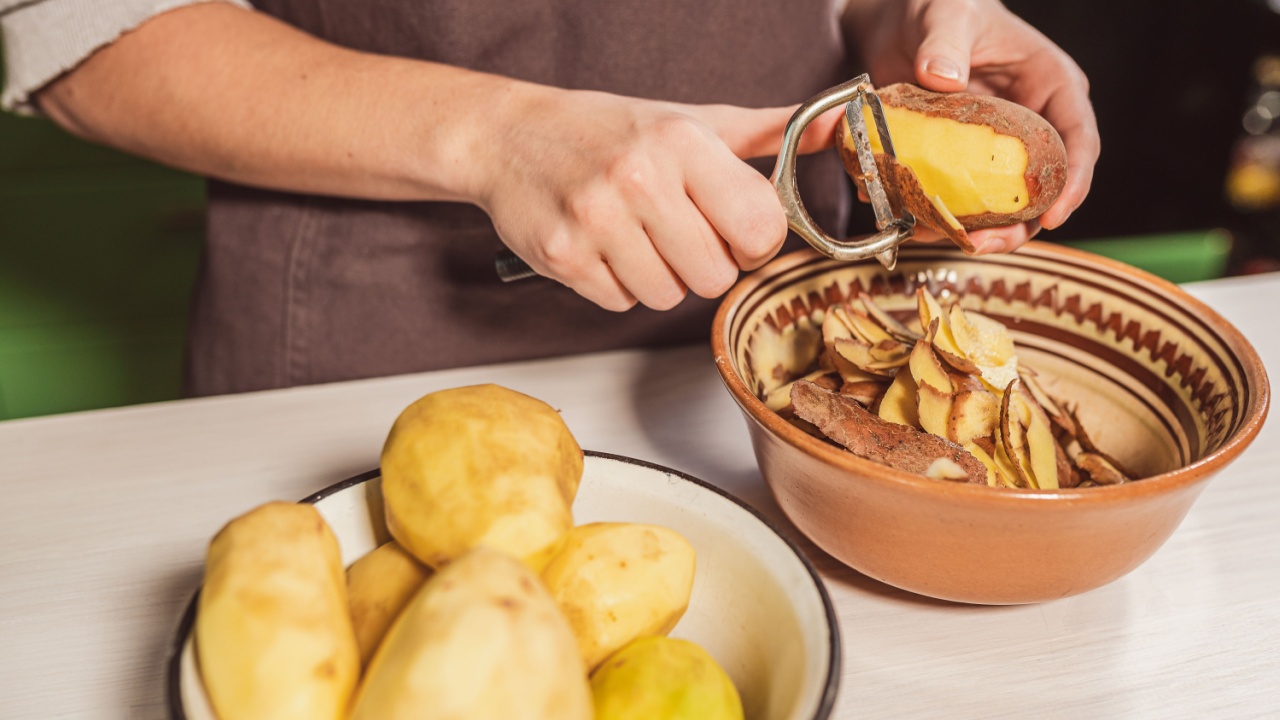
Image Credit: Shutterstock.
The blade and crevices of a vegetable peeler can trap tiny bits of food and moisture. If not cleaned properly, these areas can grow bacteria. Because peelers are often used on raw produce that may not be cooked afterward, any contamination can be transferred directly to your food.
Immediately after use, wash your peeler thoroughly with hot, soapy water. Use a small brush to scrub the blade and any joints where food particles can hide. For best results, wash it in the dishwasher if it is dishwasher-safe to ensure it is properly sanitized.
10. Refrigerator Drawers
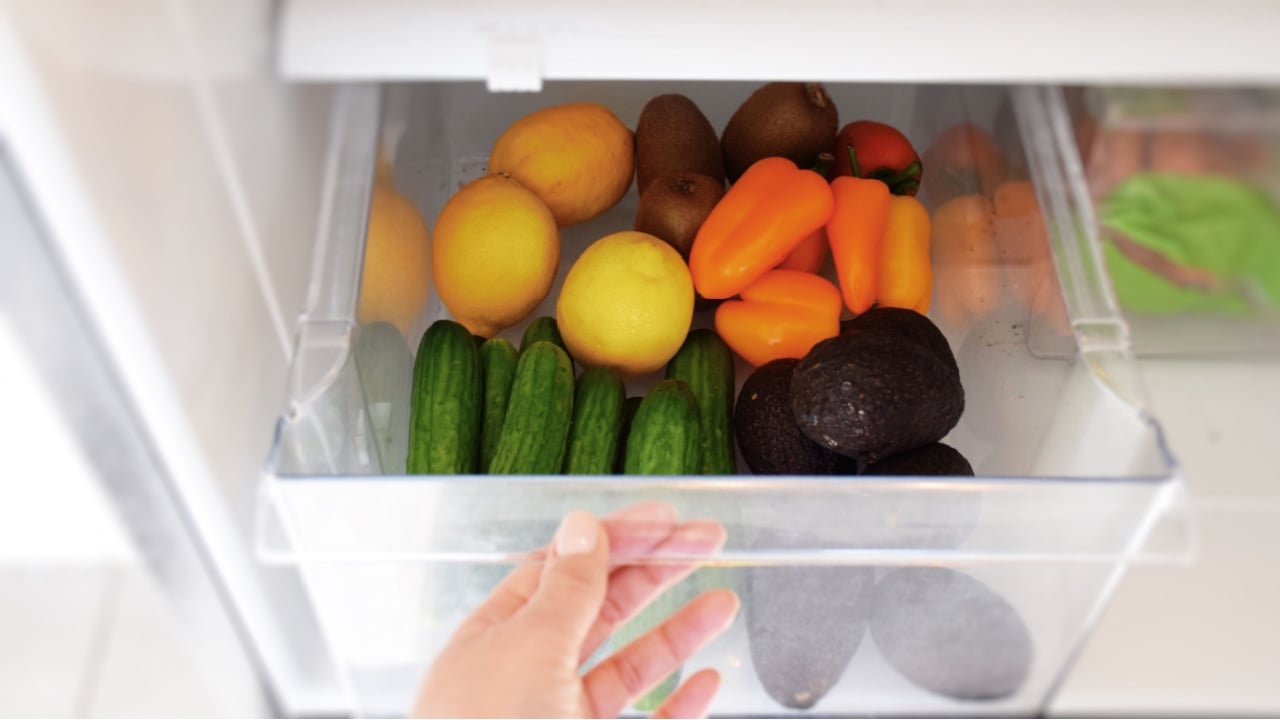
Image Credit: Shutterstock.
The crisper drawers in your refrigerator are designed to store fresh produce, but they can also harbor bacteria and mold. Juices from fruits and vegetables, or even drips from thawing meat stored above, can pool at the bottom of the drawers, creating a contaminated environment.
Empty and clean your refrigerator drawers at least once a month. Remove them from the fridge and wash them with warm, soapy water. For stubborn residue or odors, use a solution of baking soda and water. Make sure the drawers are completely dry before putting them back and restocking them with fresh produce.
11. Knife Blocks

Image Credit: Deposit Photos.
A wooden knife block seems like a safe and convenient place to store your knives, but its deep, narrow slots can be a problem. They are dark, difficult to clean, and can trap moisture and debris. This creates an environment where mold and bacteria can grow undetected, contaminating your knife blades each time they are inserted.
Clean your knife block regularly. Turn it upside down to shake out any loose crumbs or debris. Use a can of compressed air to blow out the slots. For a deeper clean, use a pipe cleaner or a small bottle brush dipped in a vinegar solution to scrub the inside of each slot, then let it air dry completely before reinserting your knives.
12. Plastic Storage Containers
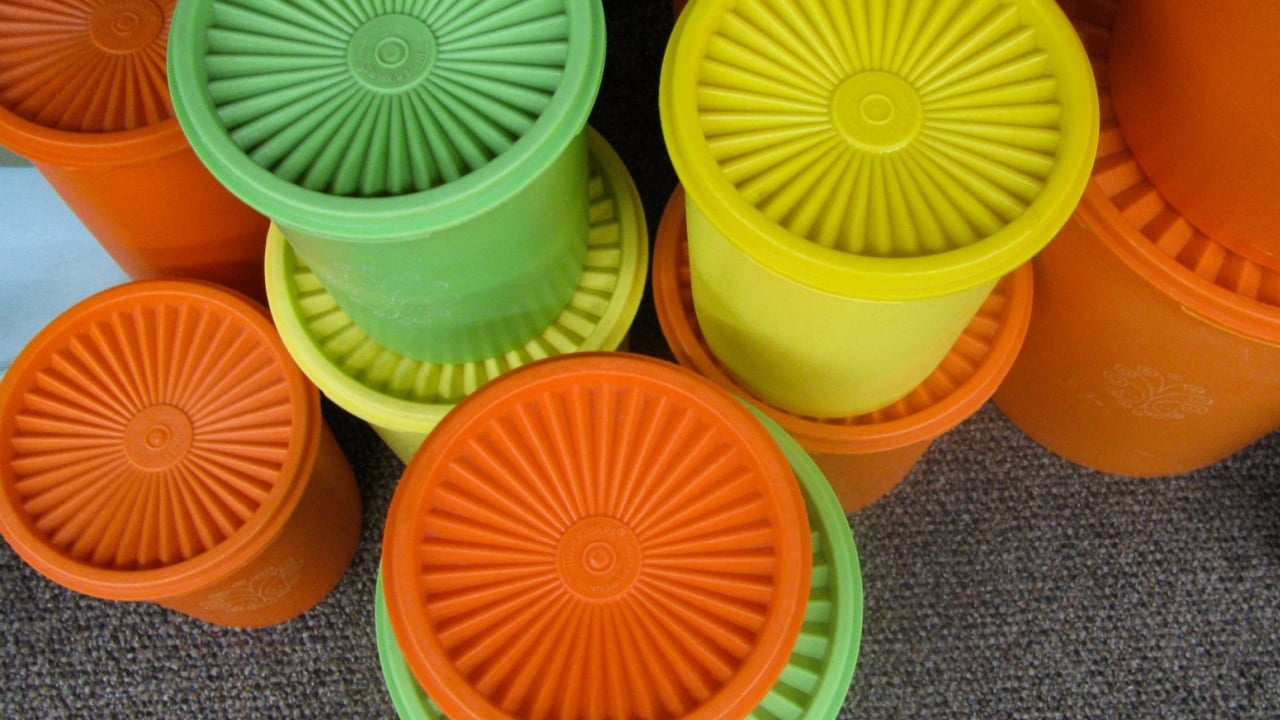
Image Credit: Vince360 at Shutterstock.
Plastic food containers can develop tiny scratches and cuts over time. These imperfections can trap food particles and stains, making them difficult to clean thoroughly. Certain foods, like tomato sauce, can leave behind residues that harbor bacteria even after washing.
Inspect your plastic containers regularly and discard any that are heavily scratched, warped, or stained. When washing, be sure to clean them with hot, soapy water soon after use. If you store foods that are prone to staining, consider switching to glass containers, which are nonporous and easier to keep clean.
13. The Cheese Grater
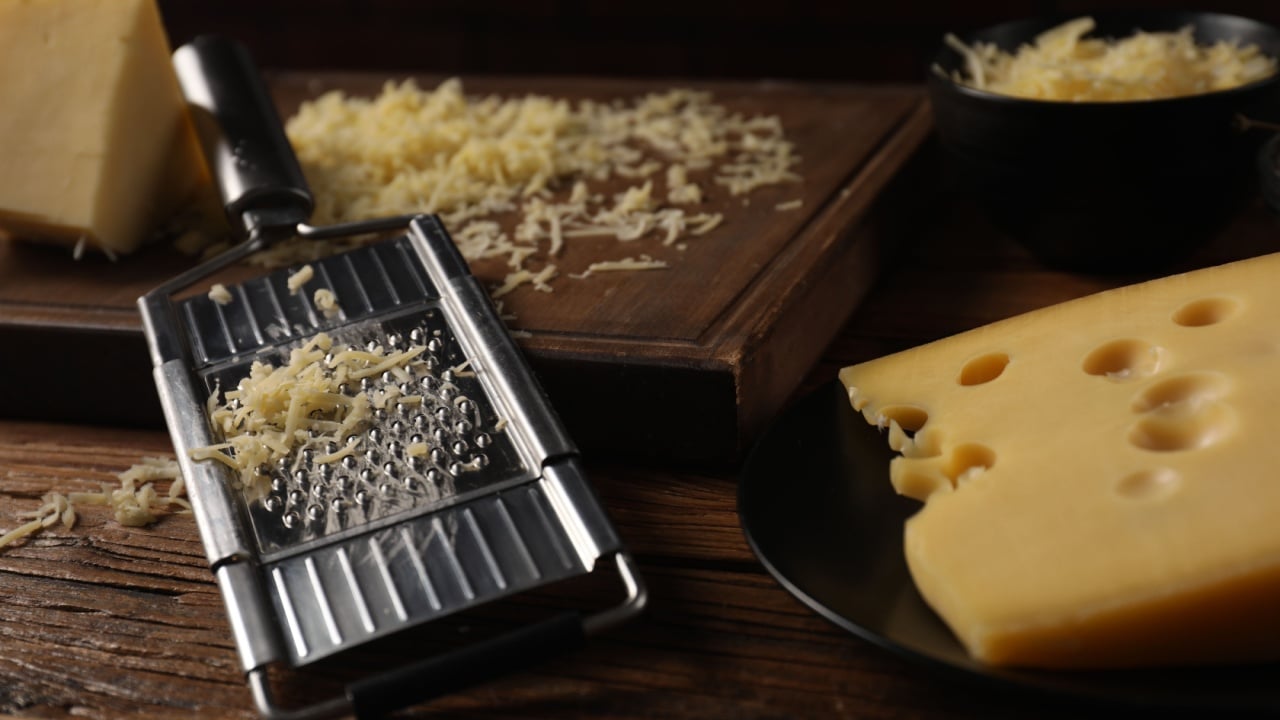
Image Credit: Shutterstock.
A cheese grater is full of small, sharp holes that are difficult to clean. Tiny particles of cheese, vegetables, or other foods can get stuck in the grating surfaces and inside the tool. If not removed, these particles can rot and breed bacteria.
Clean your grater immediately after use before food has a chance to dry on it. Use a stiff brush to scrub both sides of the grating surface under hot, running water. For a very effective clean, try grating a raw potato after the cheese; the potato’s oxalic acid helps break down and remove the residue.
14. Blender Gaskets
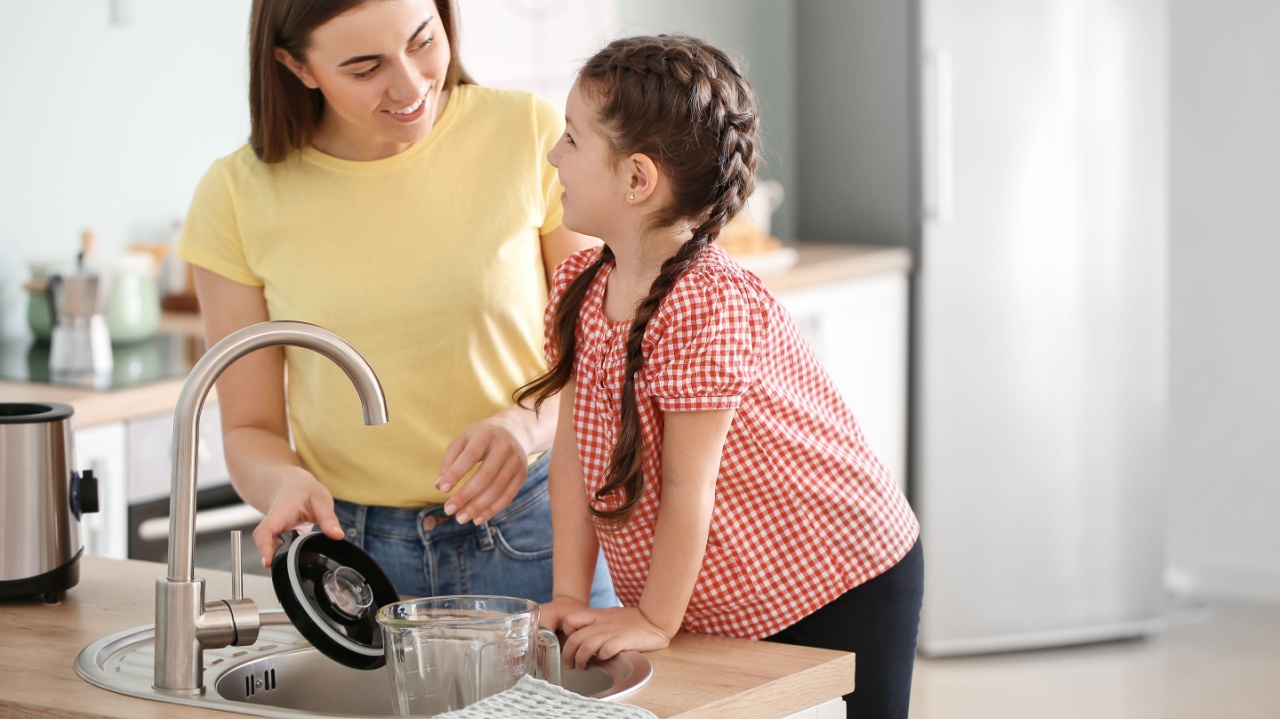
Image Credit: Shutterstock.
Many blenders have a rubber ring, or gasket, that sits between the blade assembly and the glass or plastic jar to prevent leaks. This small part can trap liquid and food particles. If the blender is not fully disassembled for cleaning, moisture and grime can lead to mold and bacterial growth on the gasket.
After each use, take your blender completely apart. Wash the jar, blade assembly, and gasket separately in hot, soapy water. Pay special attention to the gasket, scrubbing it to remove any hidden residue. Allow all parts to dry completely before reassembling the blender for storage.
15. The Can Opener
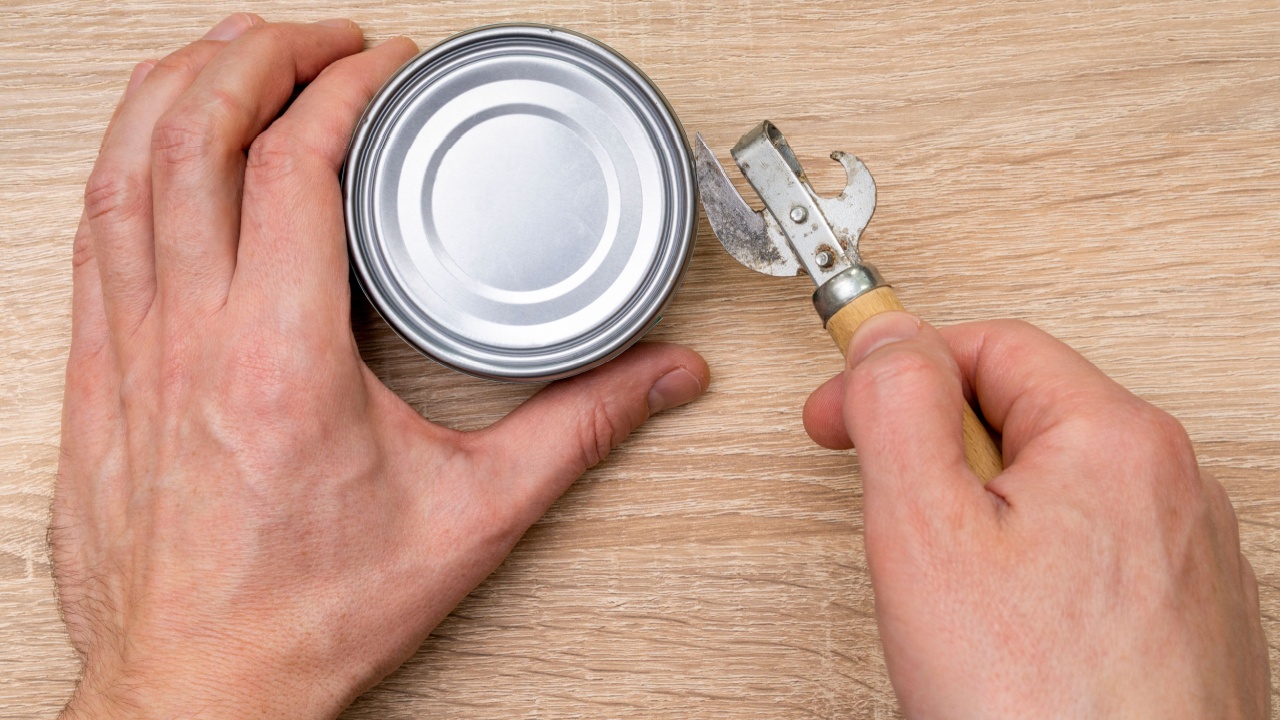
Image Credit: Shutterstock.
A can opener, especially the wheel-and-blade type, comes into contact with the contents of every can it opens. Food residue can build up on the cutting wheel and gears, where it can grow bacteria. This contamination can then be transferred to the next can you open.
Clean your can opener after every use. For manual can openers, wash them with hot, soapy water, using a small brush to scrub the cutting wheel and gear. For electric models, unplug the unit and wipe the cutting assembly with a cloth dampened with a disinfectant. Ensure it is dry before storing it.
Keeping Your Kitchen Safe

Image Credit: Shutterstock.
A clean kitchen is a safe kitchen. Recognizing the hidden spots where bacteria can thrive is more than half the battle. By incorporating a few simple cleaning habits into your daily and weekly routines, you can significantly reduce the risk of foodborne illness and maintain a healthier environment for you and your family.
Start by focusing on the high-touch areas and the items that come into direct contact with your food. Clean your sink daily, swap out sponges and towels frequently, and always wash cutting boards and utensils thoroughly. These small, consistent actions will make a big difference in the overall safety and cleanliness of your kitchen.
Read More: