

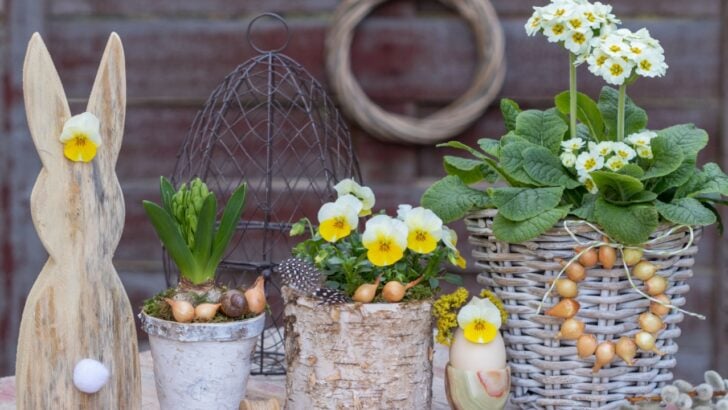
Every April, millions of perfectly healthy plants get tossed in the trash the week after Easter. The pots get emptied, the baskets get folded up, and the lilies end up in the compost alongside the plastic grass.
What most people don’t realize is that at least eleven of the most common Easter basket plants are either full perennials, self-seeding volunteers, or long-lived herbs that can carry on in the garden for years. You’ve been throwing away plants that your grandmother would have replanted without a second thought.
The timing matters more than most people expect. Easter usually falls in late March or April, which puts it right in the sweet spot for transplanting cool-season plants outdoors. The same temperatures that keep basket flowers looking crisp indoors are ideal for getting them established in a garden bed. Acting this April, rather than waiting until summer, is the difference between a plant that thrives and one that sulks.
The One Thing Almost Everyone Gets Wrong With Easter Basket Plants
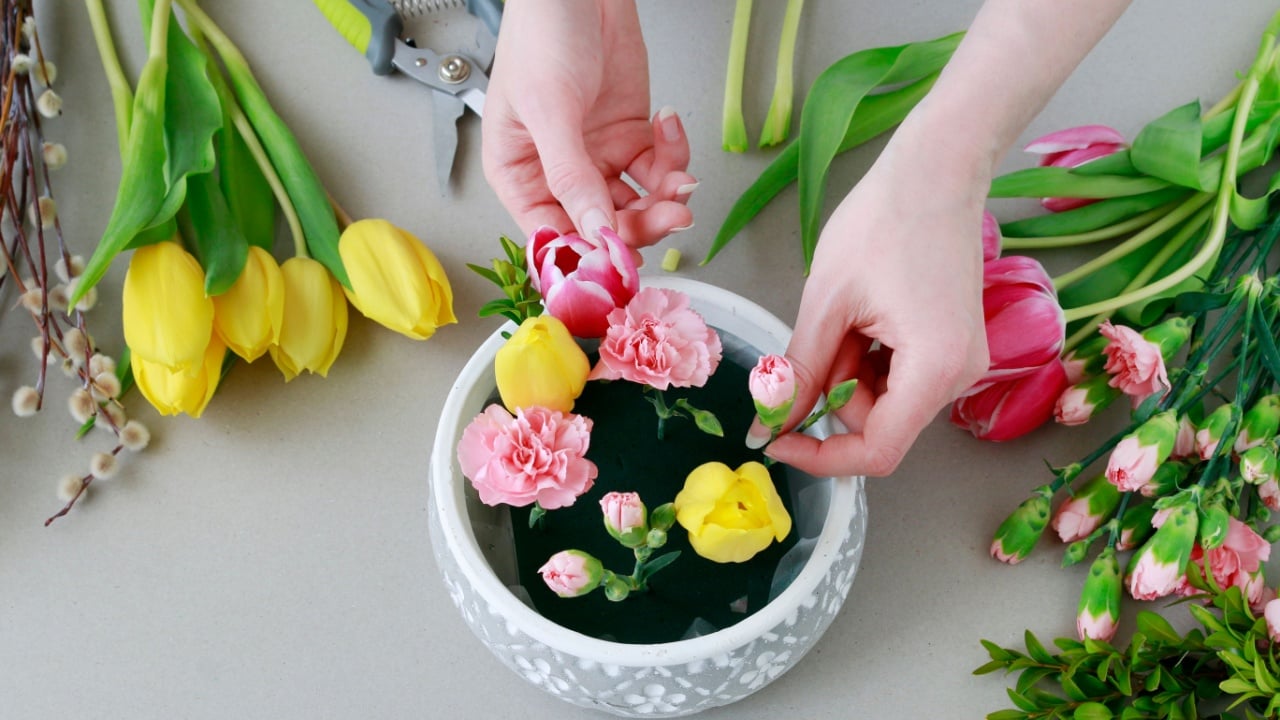
Image Credit: Shutterstock.
Most spring basket plants arrive at the garden center as “forced” bloomers. Growers use temperature manipulation and artificial light cycles to trigger early flowering, which is why you get a hyacinth in full bloom in March when it would naturally flower weeks later. Forcing works beautifully for the display, but it uses up a significant portion of the bulb’s stored energy reserves.
This matters because it explains why results vary so much when gardeners try to replant. A forced tulip may have spent nearly everything in its bulb to produce those blooms, while a daffodil or hyacinth tends to recover more readily. The solution is the same in both cases: never cut the green foliage after blooming. Those leaves are how the bulb rebuilds its energy stores for next year.
Here’s the fact that stops most people in their tracks: roughly 12 million Easter lilies are sold in the United States each year, and the vast majority are discarded after the flowers fade. Yet the Easter lily is a reliably hardy perennial in zones 3 through 10. Planted outdoors after your last frost date, it will shift its bloom time to midsummer, return faithfully each year, and eventually reach three feet tall. The lily in your Easter basket this Sunday is a garden plant that hasn’t been told it’s allowed to live yet.
Here are 11 Easter basket plants worth keeping in the garden.
1. Easter Lily
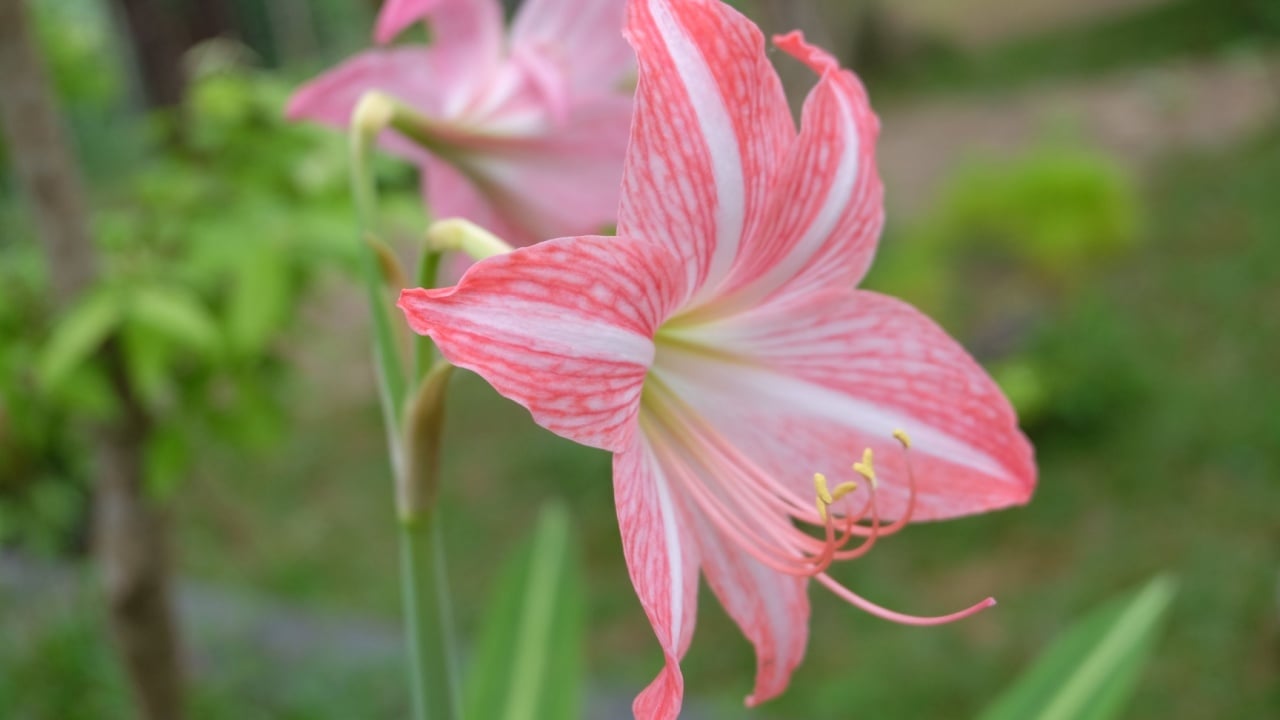
Image Credit: Shutterstock.com.
Move it outdoors after your last frost date and plant the bulb six inches deep in a spot with morning sun and afternoon shade. Expect it to skip a bloom or two while it adjusts; once established, it will return every midsummer without any intervention.
2. Daffodils
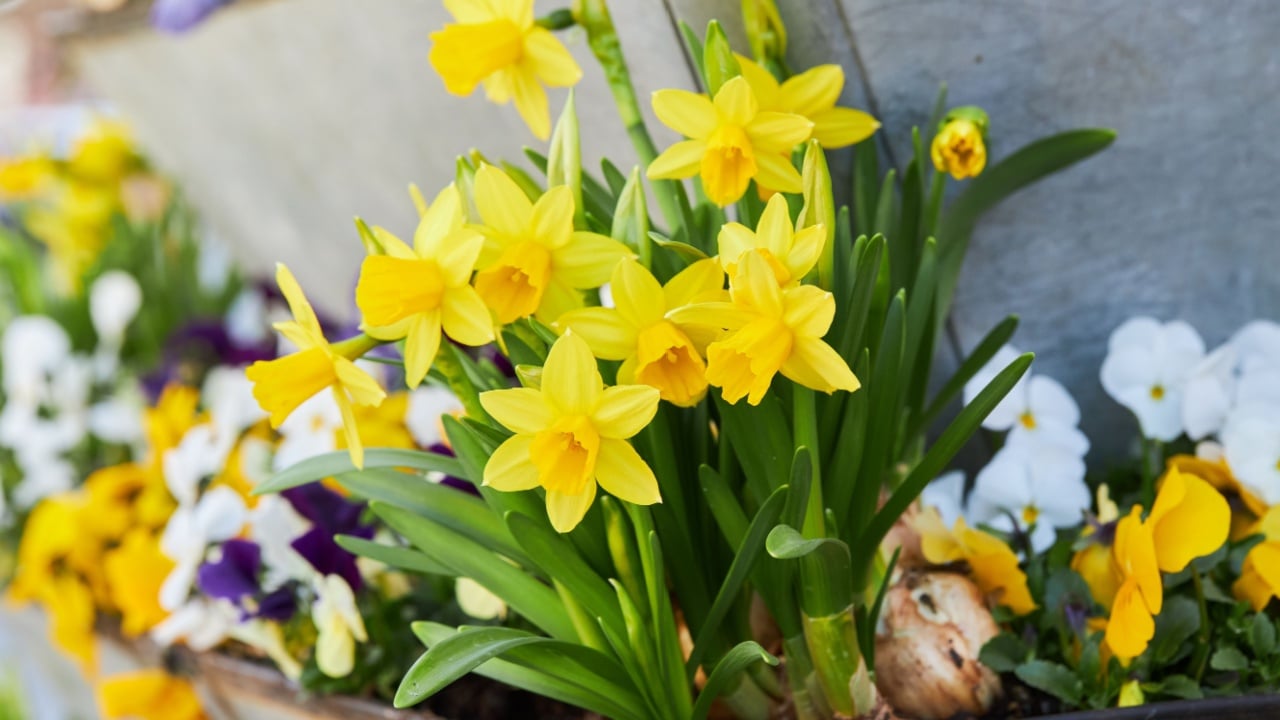
Image Credit: Shutterstock.
These are the best returners among forced bulbs. Keep the pot in bright light and stop watering once the flowers fade, but leave every bit of green foliage intact until it yellows on its own. Then plant the bulbs in the garden in the fall, three times as deep as the bulb is wide.
3. Hyacinths
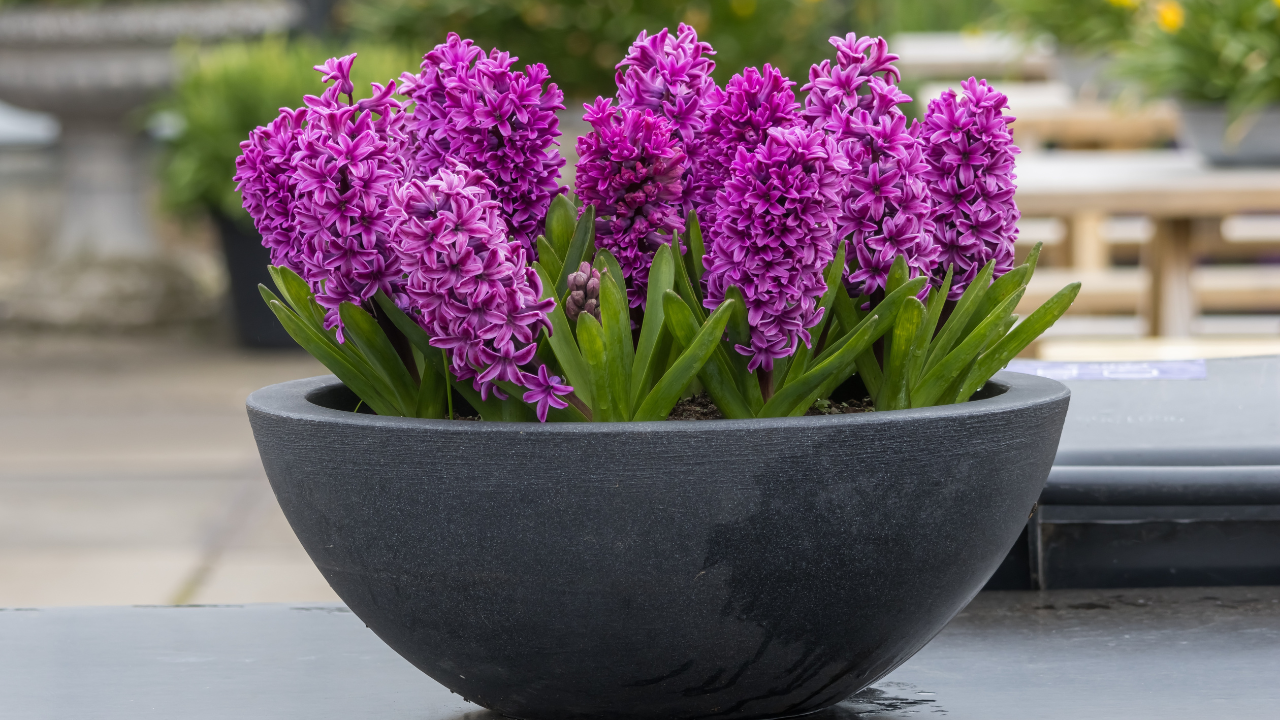
Image Credit: Shutterstock.
Hyacinths lose some of their density after forcing, but will generally return and rebloom, especially if you resist the urge to remove the leaves. Let the foliage die back naturally, then store or plant directly in the fall. Hyacinths and daffodils are the two forced bulbs most likely to continue putting out blooms after replanting.
4. Pansies
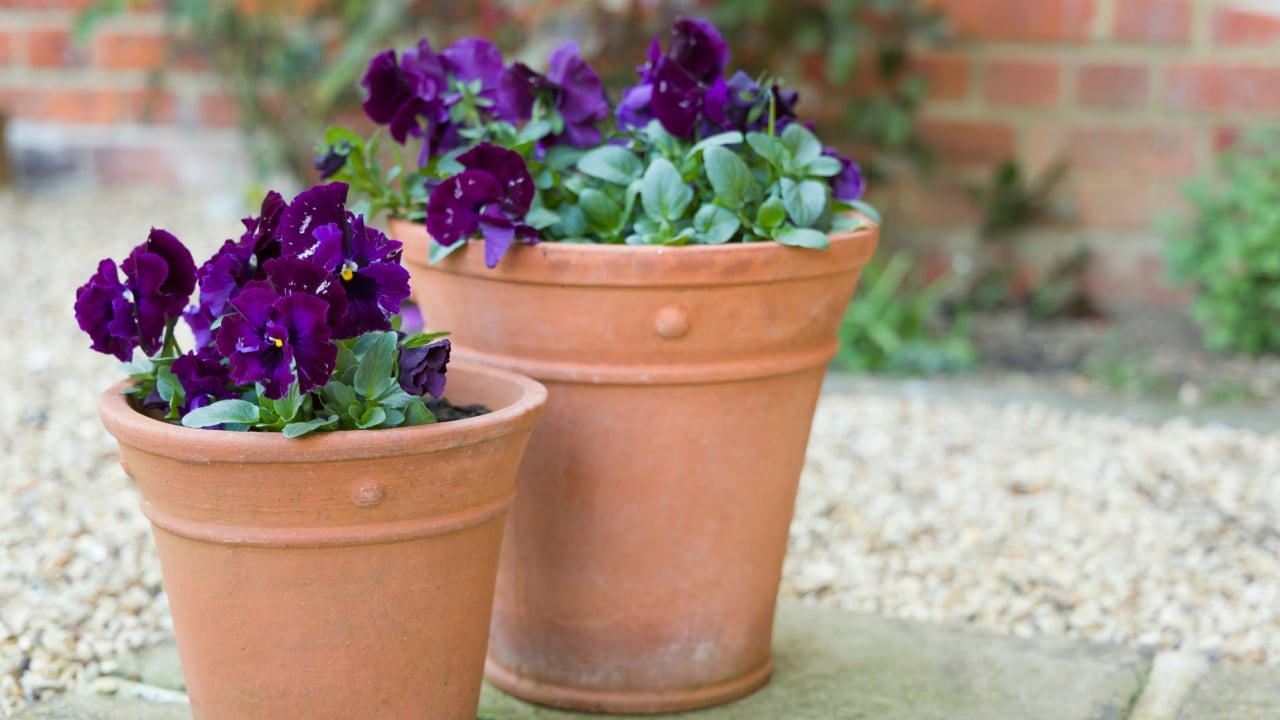
Image Credit: Shutterstock.
This is the easiest transplant on the list. Pansies go straight into the garden now, in April, and keep blooming through late spring without any fuss. They prefer cool weather and will naturally wind down as summer heat arrives. In mild climates, they often return in fall for a second act.
5. Violas
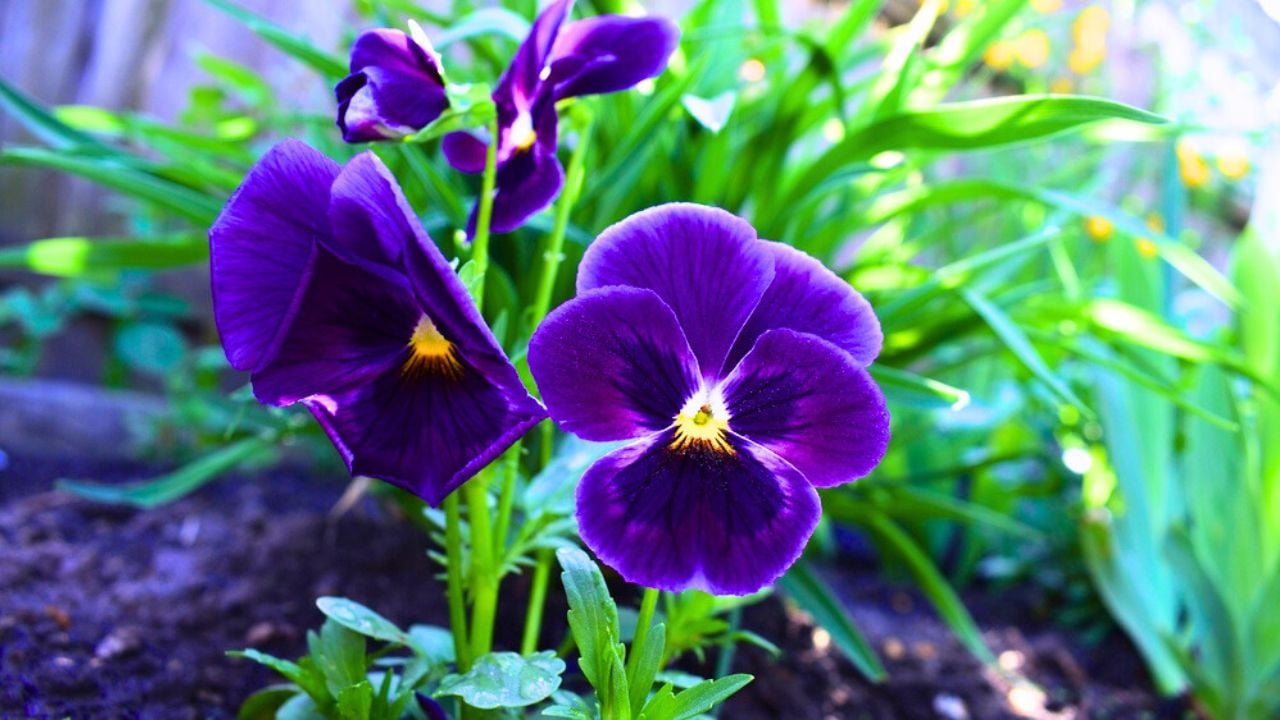
Image Credit: Shutterstock.
Even more self-sufficient than pansies, violas self-seed so freely that a single plant transplanted to a garden bed can become a permanent colony. Johnny jump-ups, the most common viola species, are especially prolific reseeders. Plant one this spring, and you may be gently editing them for years.
6. Creeping Phlox
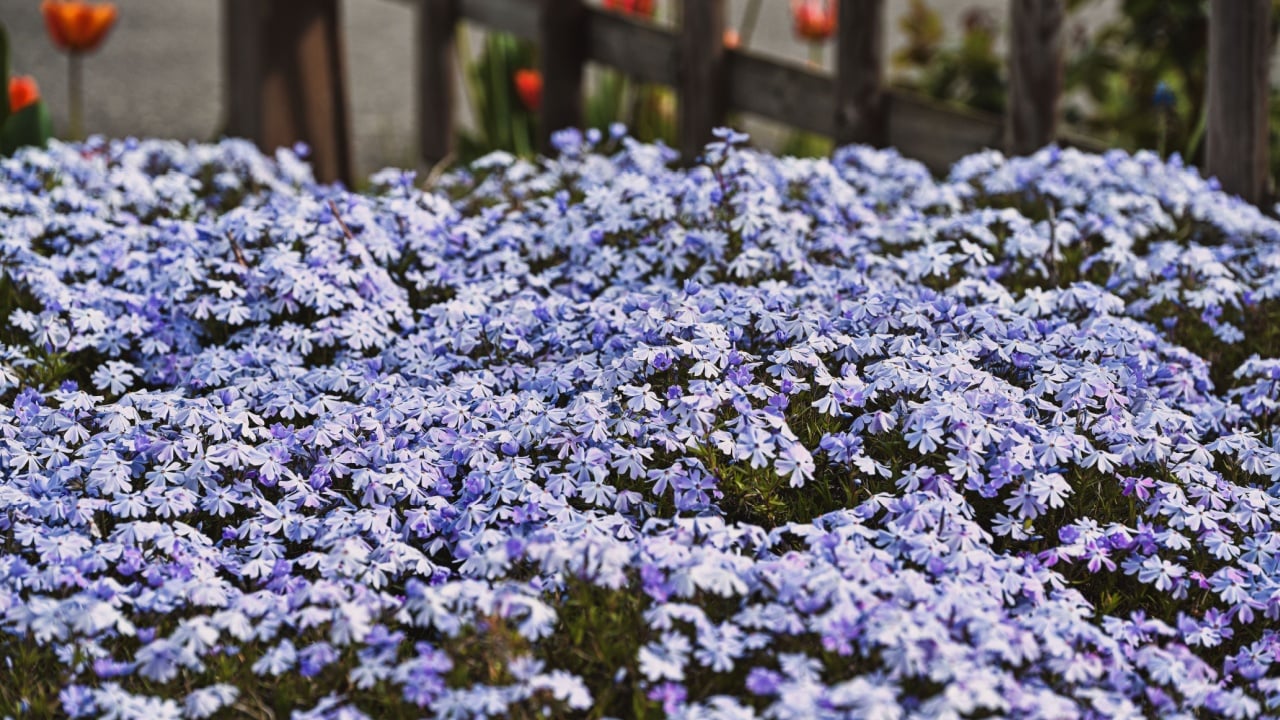
Image Credit: Shutterstock.
A compact, low-growing perennial that looks perfectly charming in a basket display but is genuinely meant for the garden. Once established, it forms spreading mats of color every spring, and pollinators are devoted to it. Zones 3 through 9; full sun; almost no maintenance required after the first season.
7. Snapdragons
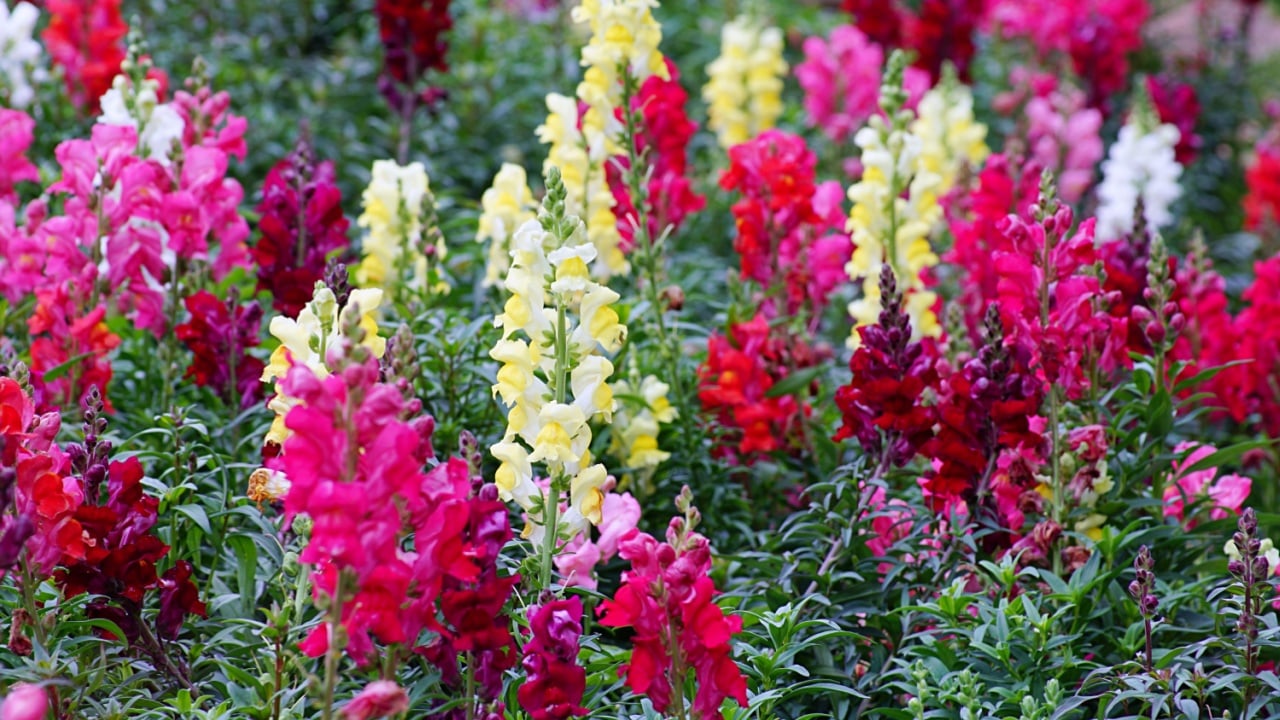
Image Credit: Shutterstock.
Cold-tolerant and underestimated, snapdragons can go into the garden as soon as nighttime temperatures stay above 25 degrees Fahrenheit. They’re one of the few basket plants you can transplant in early April without hesitation. In mild climates, they overwinter as short-lived perennials and return the following spring.
8. Dianthus (Pinks)
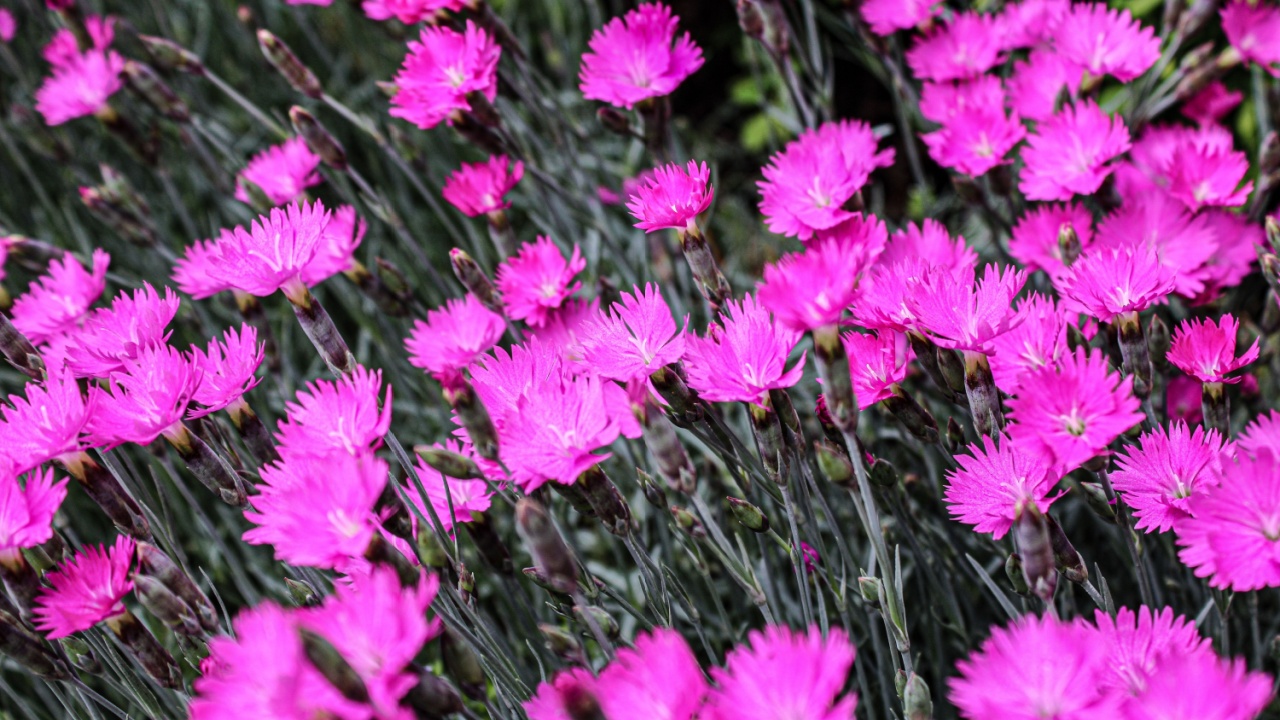
Image Credit: Shutterstock.
Fragrant, drought-tolerant once established, and reliably perennial across most of the country. Dianthus transplants easily, comes back year after year, and brings a spicy clove scent to any border or container. It’s a far better long-term investment than most of what ends up in a typical Easter basket.
9. Lavender
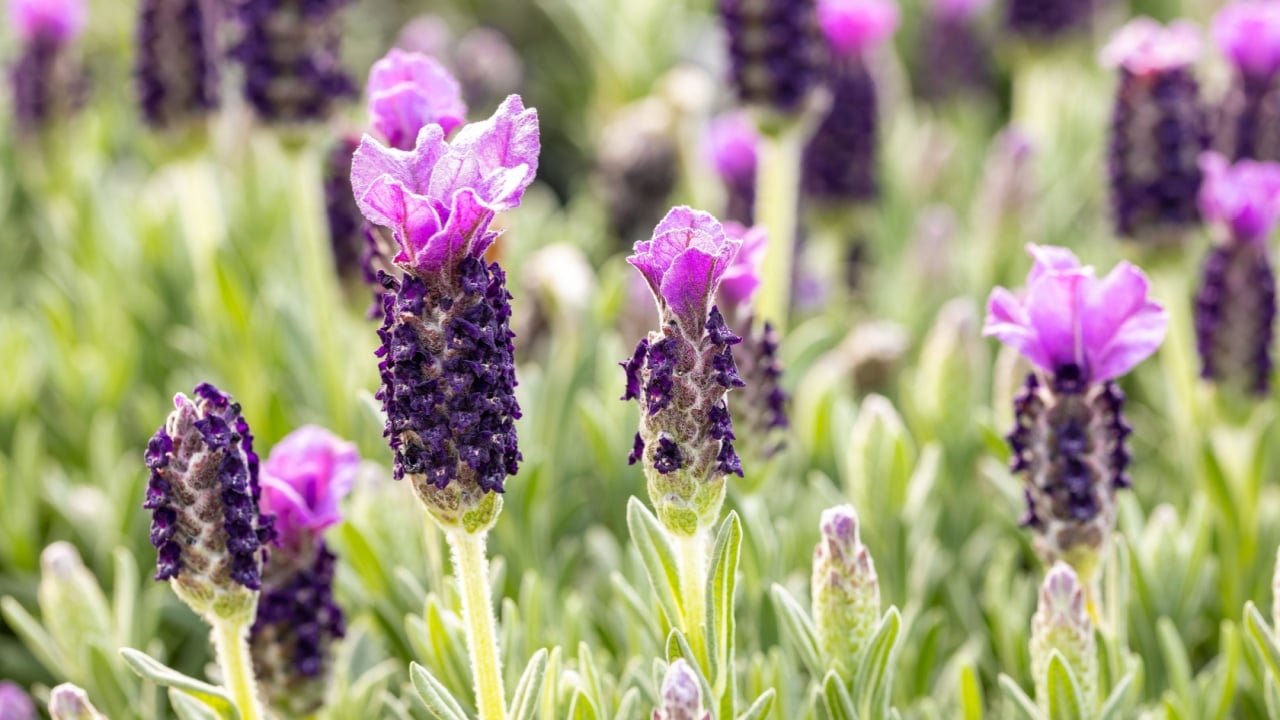
Image Credit: Shutterstock.
Any lavender variety sold as a basket plant in April is essentially begging to go into a sunny garden bed. It’s one of the longest-lived perennial herbs in existence, thriving for 15 years or more in the right conditions. Plant it in full sun with excellent drainage and largely forget about it.
10. Strawberry Plant
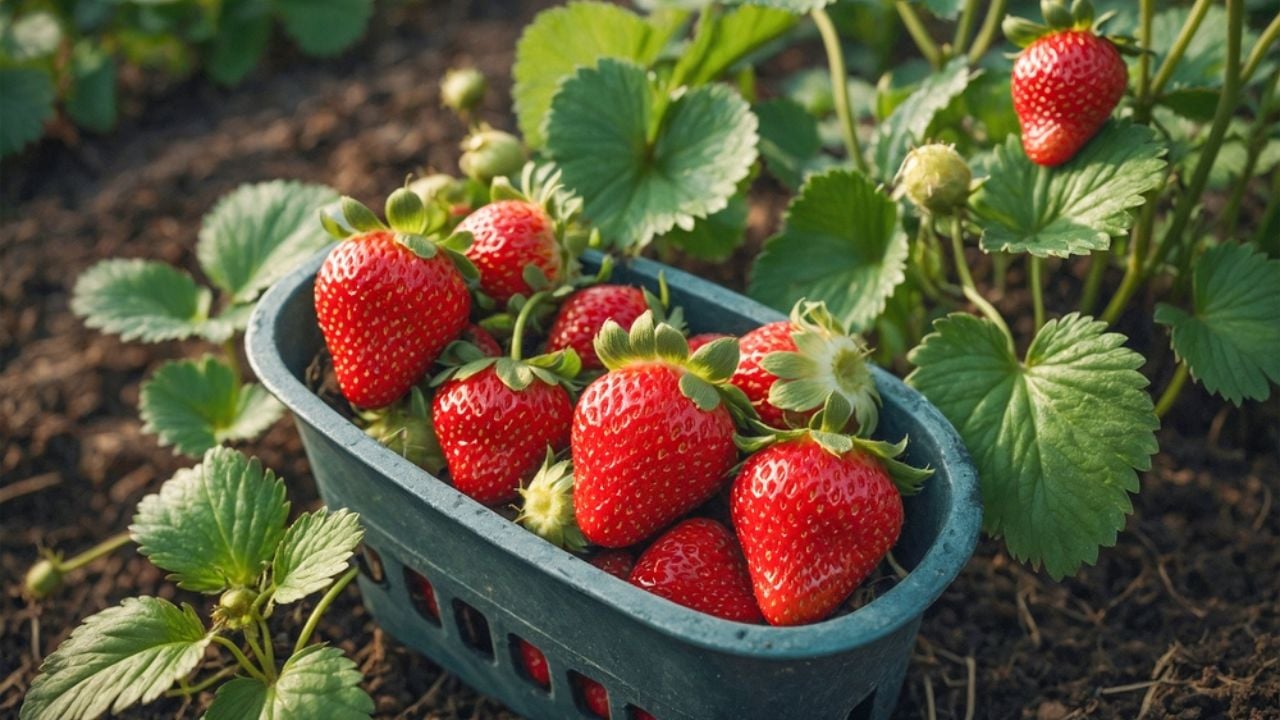
Image Credit: Shutterstock.
Blooming strawberries make a delightful Easter gift, especially for families with kids, and they’re fully perennial if moved to a garden bed or large container this month. Transplant them in April, and you can expect fruit by early summer. Each plant will also send out runners that create new plants for free.
11. Herbs (Rosemary, Mint, and Thyme)
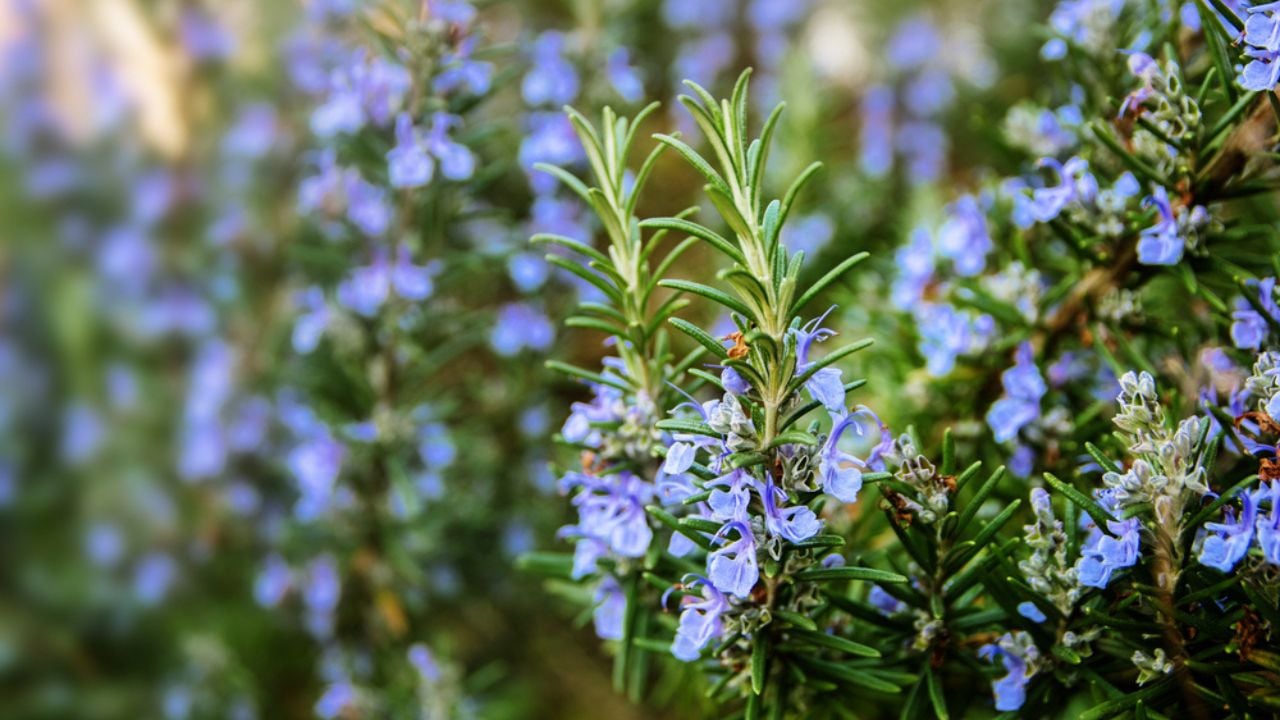
Image Credit: Shutterstock.
Any herb that arrives in an Easter basket is a kitchen staple waiting for a permanent home. Rosemary and thyme are long-lived perennials in zones 7 and up; creeping thyme does beautifully planted between stepping stones or along a sunny border. Mint is perennial almost everywhere and spreads vigorously enough that most gardeners eventually give it its own dedicated pot to keep it in check.
The Plants That Aren’t Worth the Effort (Be Honest With Yourself)
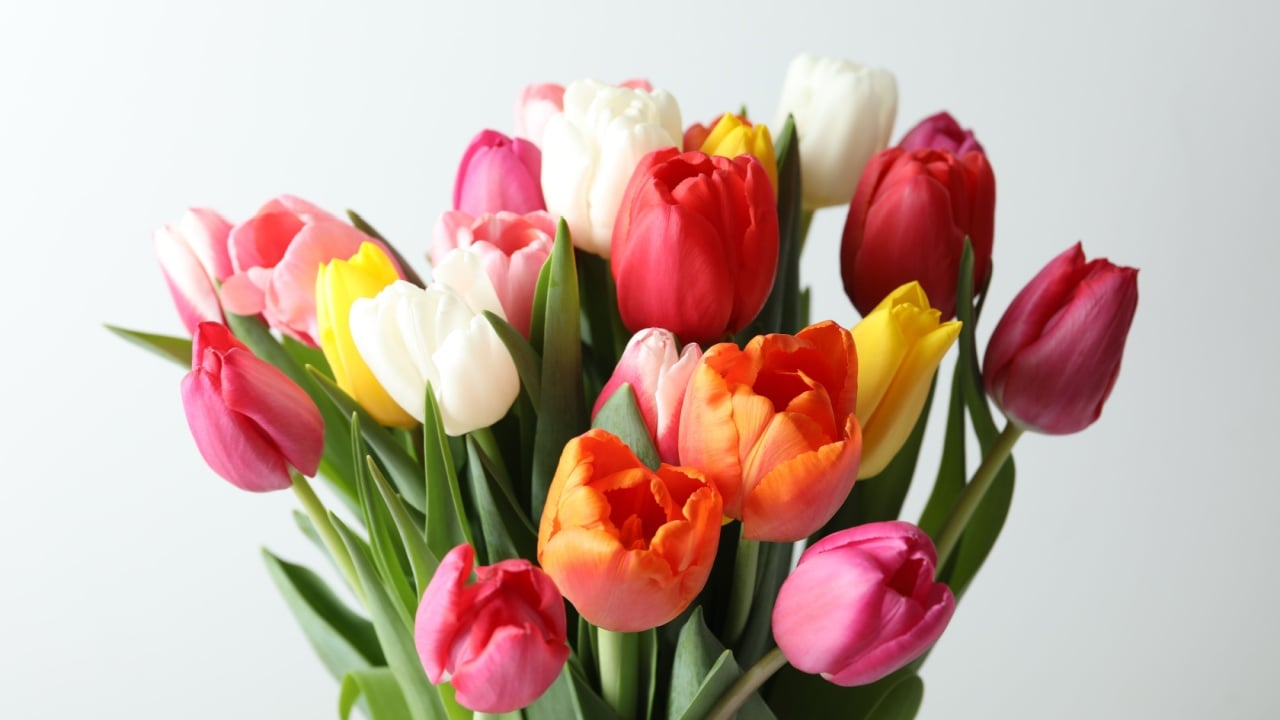
Image Credit: Shutterstock.
Forced tulips deserve a mention here, not to dismiss them, but to set expectations honestly. Because forcing burns through most of their energy reserves, tulips are the least likely of all Easter bulbs to rebloom reliably. It often takes two to three years for forced bulbs to rebuild enough strength to flower again, and tulips are particularly slow to recover compared to daffodils or hyacinths. You can try planting them; just don’t hold them to a high standard.
Potted hydrangeas sold as Easter gifts are similarly a difficult case. They’ve been fed and forced for maximum bloom at the expense of long-term health, and they don’t do well as permanent houseplants because they need winter dormancy and strong outdoor light. If you have a sheltered garden spot and the patience for a slow establishment, go for it. But don’t feel guilty about letting this one go.
How to Move Easter Basket Plants to the Garden Without Killing Them
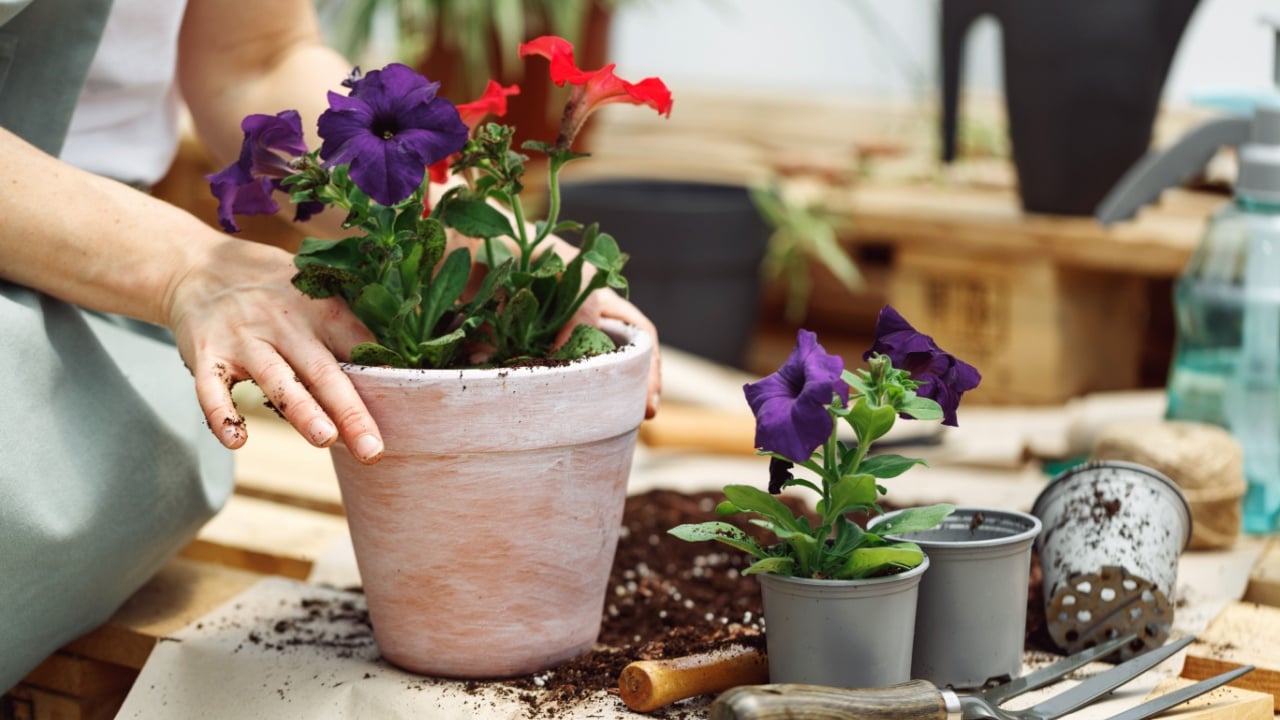
Image Credit: Shutterstock.
The step that trips up most beginners is hardening off, which simply means introducing your plants to outdoor conditions gradually before committing them to the ground. Set the basket outside in a sheltered spot for three to five days, bringing it back inside at night if temperatures dip below freezing, then plant it out fully on the fifth or sixth day.
For cold-hardy plants, including pansies, violas, snapdragons, creeping phlox, and dianthus, you can skip most of the drama and transplant directly in April. For tender options, including Easter lilies and herbs like rosemary, wait until after your area’s last frost date.
When you transplant, remove spent flowers but leave all green foliage intact. Water the planting in well and resist the urge to fertilize immediately; let the plant settle for two weeks before feeding.
This Year, Let One Plant Stay
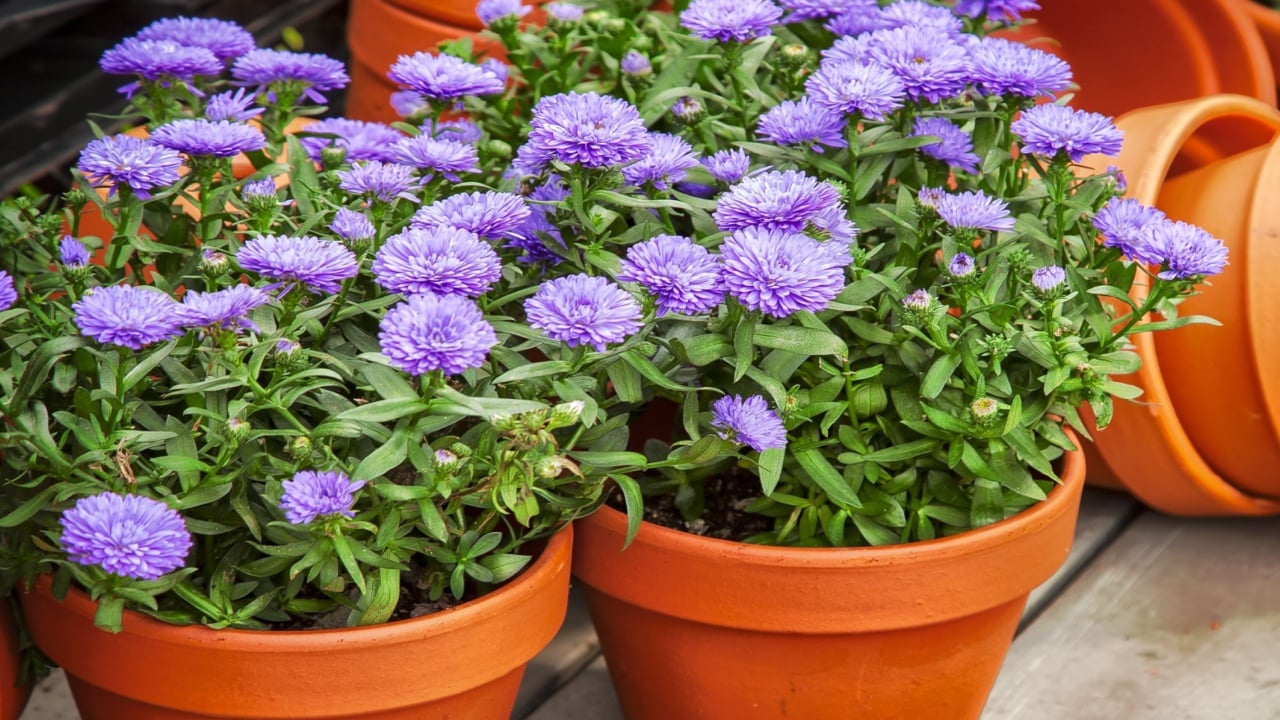
Image Credit: Shutterstock.
You don’t need a prepared bed or a master gardening plan to rescue an Easter basket plant. A pot on the porch, a sunny strip by the fence, a corner of the vegetable garden — any of these works. Start with the one that appeals to you most from this list, give it an afternoon of your time this April, and see what it does.
Some of the most beloved plants in long-standing gardens started exactly this way: as something beautiful in a basket that someone decided, at the last moment, was too good to throw away.
Read More
Do these 12 raised garden bed tasks before March ends, or lose your head start
12 vegetables to direct sow in the garden right now in March