


It happens to the best of us. You water faithfully, you rotate your plant toward the light, you talk to it on occasion, and yet something still feels off. The leaves are not quite right. The growth seems slow.
You find yourself wondering: Is this plant actually thriving, or simply surviving? Knowing the difference is the first step to becoming a confident, intuitive plant parent.
Healthy indoor plants do more than brighten a room. Research consistently shows that living with plants reduces stress, improves air quality, and lifts mood. But a struggling plant is a quiet distress signal; one that is easy to miss if you don’t know what ‘healthy’ actually looks like. Here are the seven signs your houseplants are genuinely flourishing.
1. New Growth Is Appearing Regularly
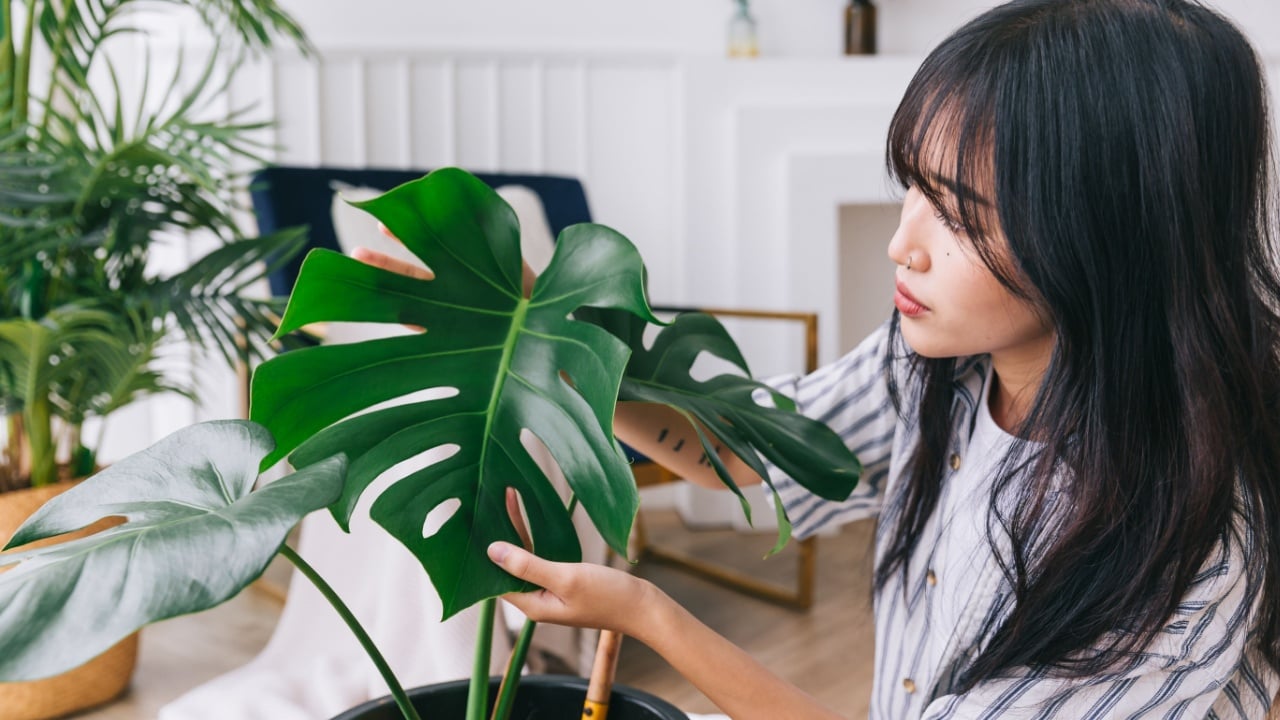
Image Credit: Shutterstock.
The single most reliable sign of a healthy plant is consistent new growth. Look for unfurling leaves, new stems pushing upward, or in flowering varieties, buds forming at branch tips. In the growing season, spring and summer, you should see new leaves every few weeks on a thriving plant. Even in winter, there should be some evidence of slow, steady growth.
“Healthy houseplants typically produce new leaves on a regular basis, especially during the spring and summer growing season,” notes Healthy Houseplants’ guide to identifying thriving indoor plants.
2. The Leaves Are Vibrant and Consistently Colored
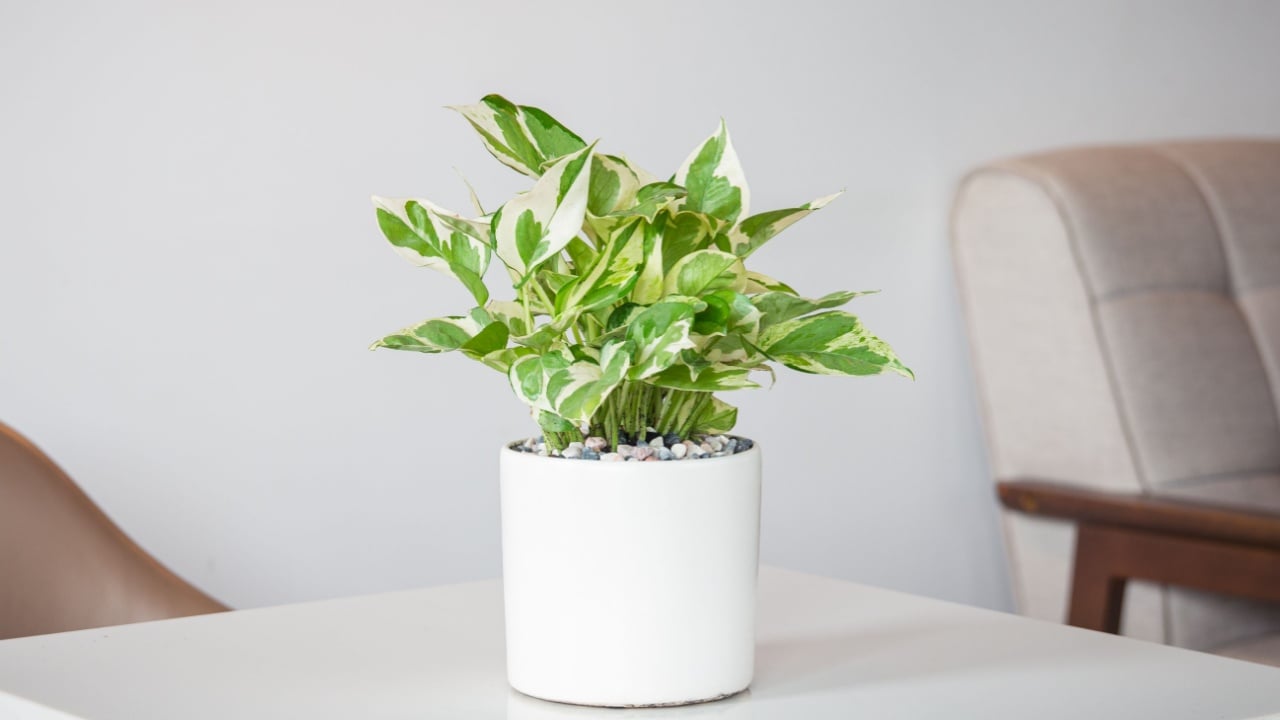
Image Credit: Shutterstock.
A healthy leaf should be the color it is meant to be: deeply green for most foliage plants, variegated precisely where the variety calls for it, or richly colored in purples and silvers for ornamental varieties. Yellowing edges, pale new growth, or brown patches are all early warnings. A plant with vibrant, consistent color is a plant whose light, water, and nutrients are all in good balance.
One exception worth noting: if your plant puts out pale, small new leaves even in good light, it may be underfed. A gentle, balanced fertilizer during the growing season is often all that is needed to restore the deep, glossy color that signals genuine health.
“Vibrant foliage is one of the clearest indicators of a well-nourished, properly watered plant,” according to MyPlantIn’s complete checklist for identifying a healthy plant.
3. Stems Are Firm, and the Plant Holds Its Shape
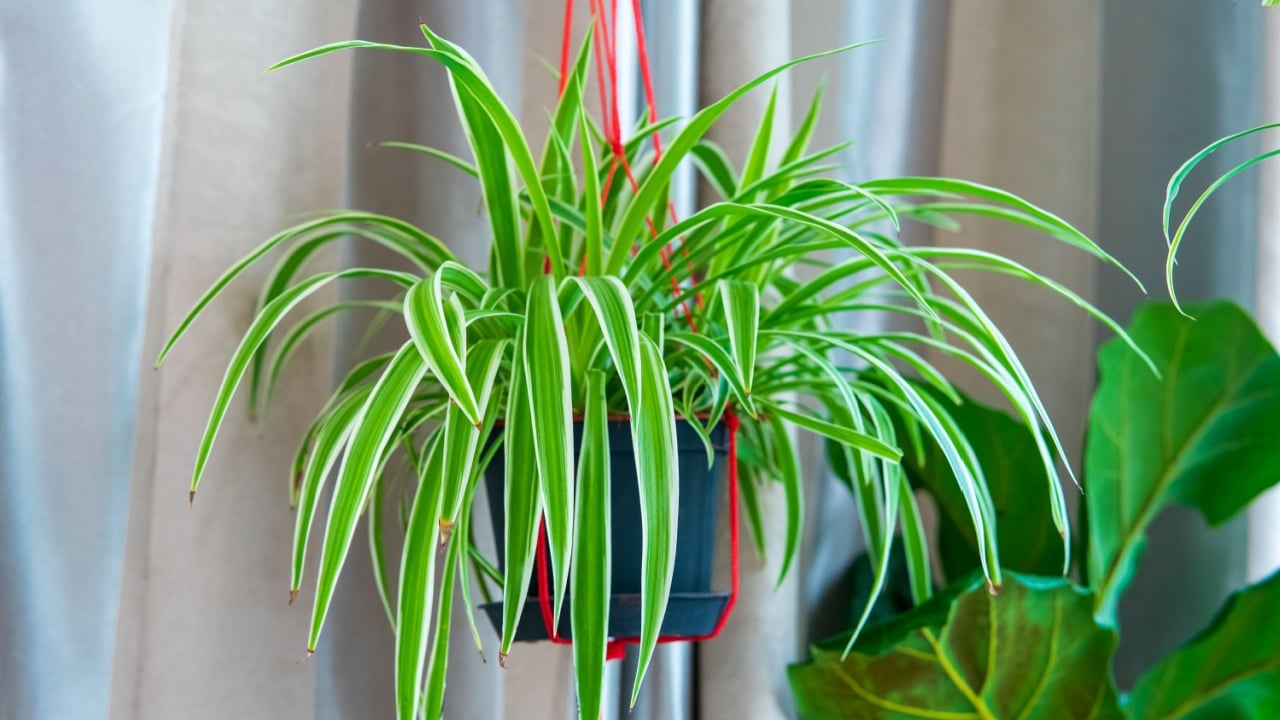
Image Credit: Shutterstock.
A thriving plant stands up for itself. Stems should be firm and upright, and the plant should have a full, dense growth habit rather than a sparse, leggy one. Legginess, or long gaps between leaves on a stretched-out stem, is almost always a sign of insufficient light. The plant is reaching desperately toward whatever brightness it can find. Move it closer to a window and watch how the character of its new growth changes.
“Signs of a healthy plant include a full, bushy growth habit, so avoid long, leggy plants and instead choose compact, sturdy ones,” advises Good Earth Plants’ guide to buying and maintaining healthy indoor plants.
4. The Roots Are Firm, White, and Smell Like Soil
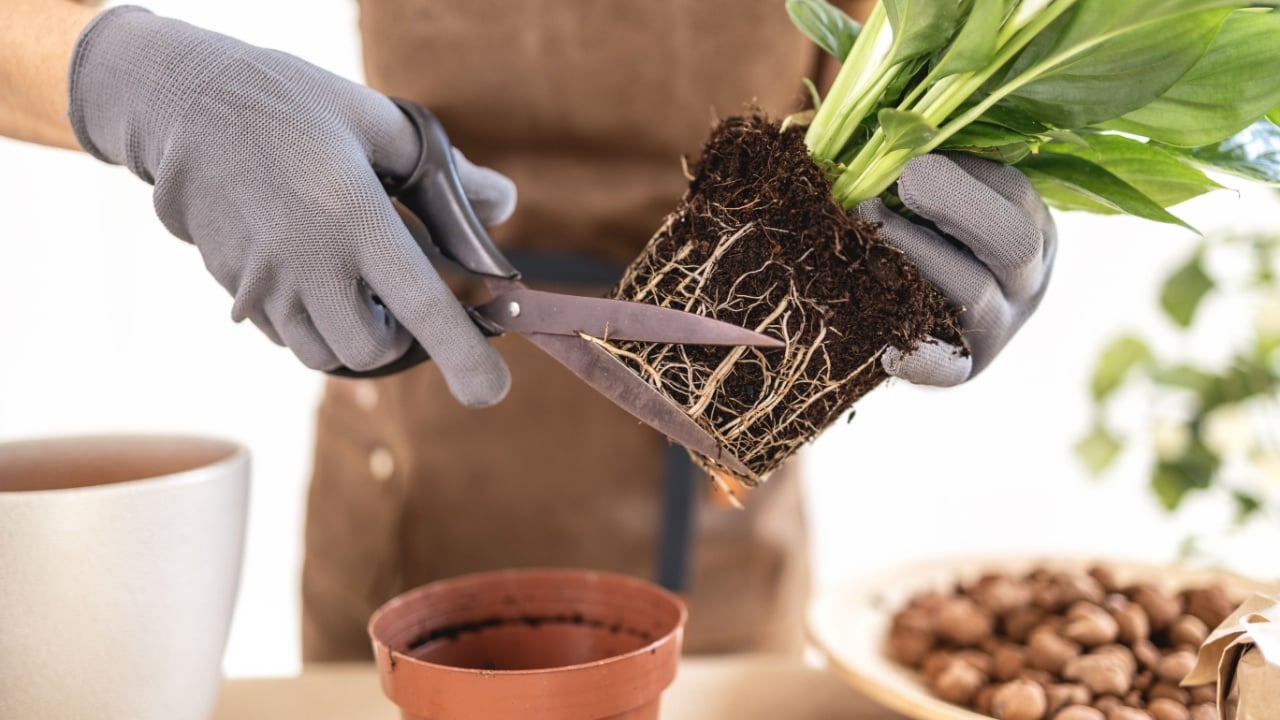
Image Credit: Shutterstock.
You do not need to examine your plant’s roots regularly, but when you do repot, or if you are concerned about a struggling plant, the roots will tell you everything. Healthy roots are firm, white or tan in color, and smell like fresh earth. Mushy, dark, or foul-smelling roots are the calling card of root rot, most often caused by overwatering or poorly drained soil.
A visible sign of root health above the soil line: if you see roots beginning to emerge from the drainage holes at the bottom of the pot, your plant’s root system is strong and expanding. It is also a sign that repotting into a slightly larger container may be due.
“Healthy roots should be firm and white or tan colored; mushy or dark roots are a sign of root rot and should be addressed immediately,” explains Mary Dyer in Gardening Know How’s guide to evaluating plant health.
5. The Leaves Are Clean and Free of Pests
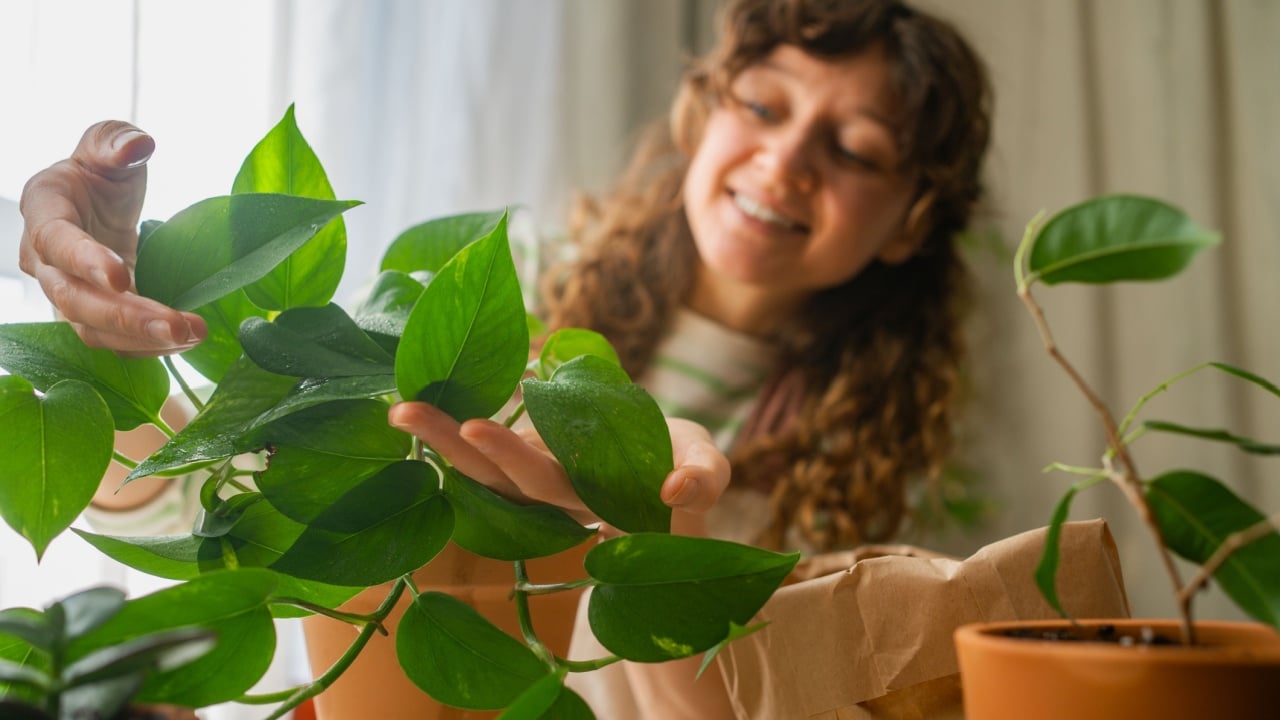
Image Credit: Shutterstock.
Turn over a leaf. If you see nothing: no specks that move, no webbing in the joints where stems meet, no sticky residue on the surface below, then your plant is pest-free, and that is something to feel good about. Pests like spider mites, fungus gnats, and mealybugs thrive on stressed plants. A genuinely healthy plant, well-watered and well-lit, is far more resistant to infestation.
Make leaf inspection a monthly habit. Catching an early-stage pest problem, such as a few mealybugs in the new growth or the first fine webbing of spider mites, is infinitely easier than addressing a full infestation. A damp cloth wiped across the leaves removes dust and minor pests in one satisfying motion.
“Look at the underside of the leaves and along the stems where bugs like to hide; sticky residue, webs, or tiny specks can signal pests even before you see anything crawling,” advises Ferry-Morse’s guide to keeping indoor plants healthy.
6. The Soil Dries Out at a Healthy Rate
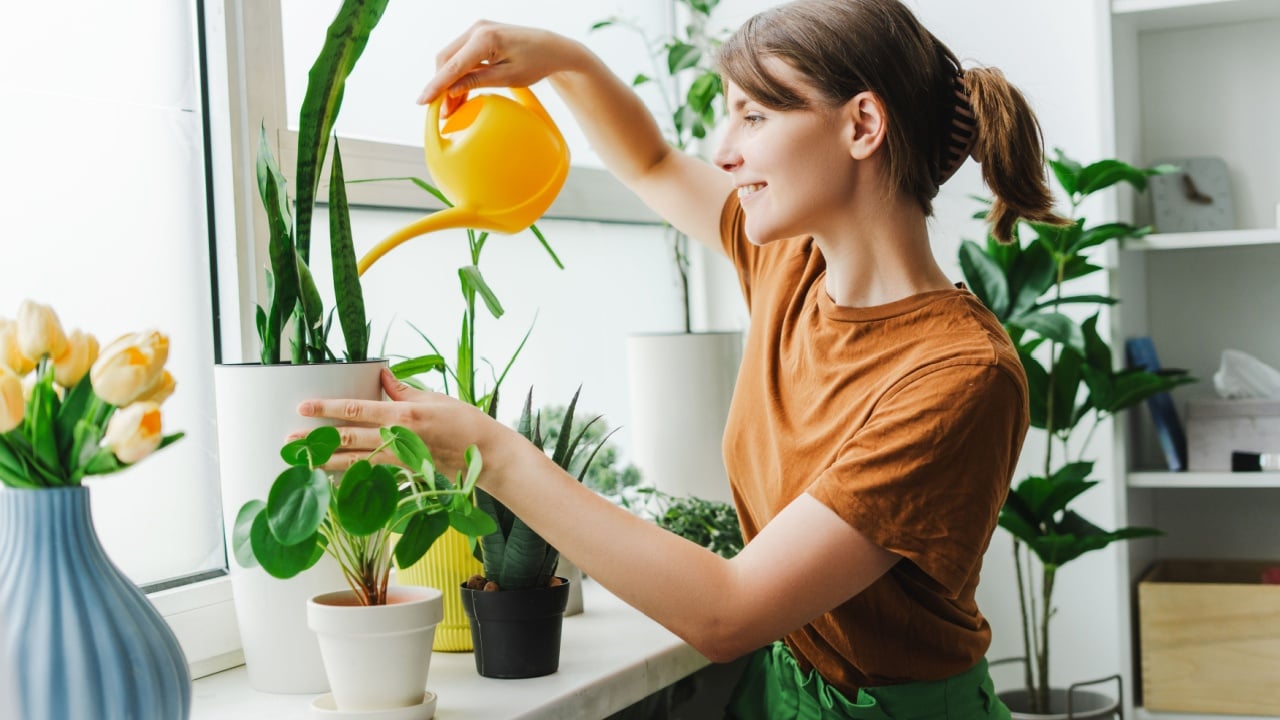
Image Credit: Shutterstock.
Here is a sign that surprises new plant parents: healthy plants drink their water efficiently, which means the soil should not stay wet for weeks. If the top inch of soil is still soggy a week after watering a plant that prefers to dry out between drinks, something is off. The pot may be too large, the drainage may be insufficient, or the light may be too low for the plant to photosynthesize and use water effectively.
Conversely, soil that dries out within a day or two may signal a rootbound plant that has outgrown its container and can no longer hold adequate moisture. In both cases, the pace of soil drying is your most practical, hands-on guide to what your plant needs next.
“Regular soil drying between waterings is a positive sign — it means your plant is actively absorbing water and the drainage is working as it should,” notes BioAdvanced’s tips for healthy houseplants.
7. Flowering Plants Bloom on Cue
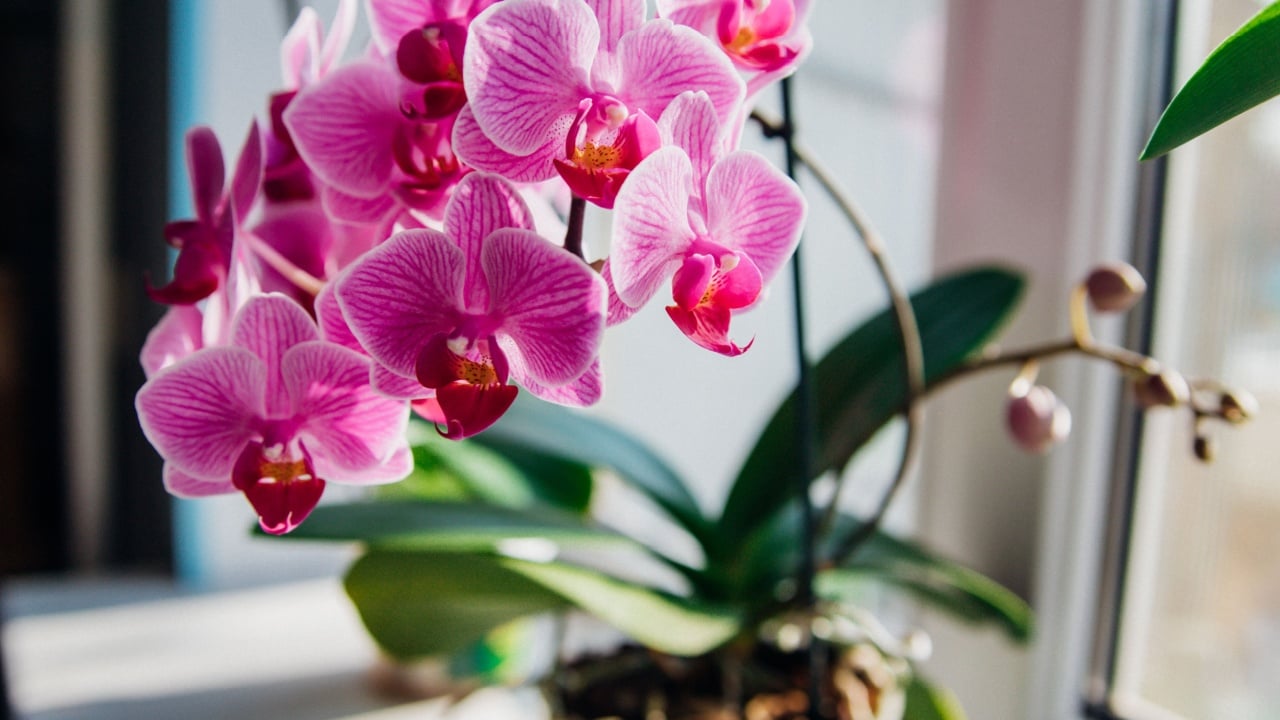
Image Credit: Shutterstock.
If your orchid reblooms each year, your peace lily sends up its elegant white spathes in spring, or your pothos trails a little longer each month with no signs of flagging, then these are all quiet confirmations that your plant is content. Flowering takes energy, and a plant will not invest in blooms unless its fundamental needs are being met.
Non-flowering plants have their own equivalent signs of contentment: a monstera producing those dramatic fenestrations, a fern unfurling new fronds, a ZZ plant pushing up new glossy stems from its base. Every plant has its own language for saying it is happy. Learning yours is one of the quiet pleasures of indoor gardening.
Keep Your Plants Happy
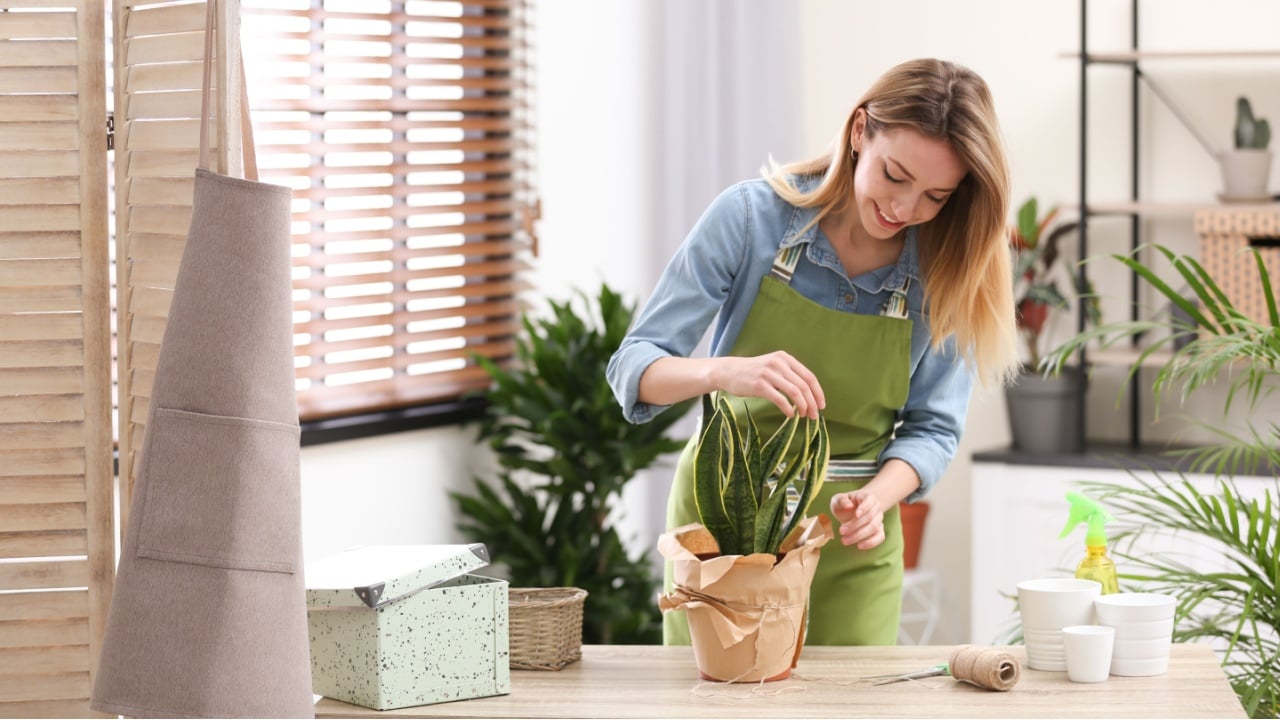
Image Credit: Shutterstock.
Healthy plants are not demanding; they are communicative. The seven signs above are simply a framework for learning to listen. Once you know what thriving looks like, a struggling plant becomes easier to read and easier to help. Give your plants what they need, pay attention to what they tell you, and they will reward you for years to come.